4 Shoyu Ramen Options in Copenhagen in 2026
A practical guide to what shoyu means in ramen and why Copenhagen bowls with the same style name still eat differently.

TL;DR
Four shoyu ramen options shape the Copenhagen choice in 2026. Slurp serves a chicken broth shoyu at 185 DKK. Men O pairs soy seasoning with pork broth from 118 DKK. Papa uses chicken broth and shoyu tare at 145 DKK. Ramen to Biiru lists shoyu across several locations. Broth decides most of each bowl's weight.
Updated 2 October 2026
Shoyu means soy sauce. In ramen, it names the seasoning direction, not the whole soup.
That distinction matters. Two bowls can both say shoyu while one is clear and chicken based, another is rich with pork, and a third changes character through its aromatic oil. Ordering by the word alone is like choosing wine because both bottles contain grapes. Technically true. Socially unhelpful.
This guide explains the four parts that shape a shoyu ramen, then compares Copenhagen options whose menu details were current on 11 September 2026.
Slurp started on Nansensgade in 2017, following Philipp Inreiter's time at Noma, Relæ and Tokyo's RyuGin. Ramen is the entire focus: broth cooked for hours or days, noodles cut each morning from Øland wheat milled on Bornholm, and toppings adjusted with the season.
4 shoyu ramen options in Copenhagen for 2026
| Venue | Broth or base | Soy direction | Best reason to choose it |
|---|---|---|---|
| Men O | Pork soup | Japanese soy sauce blend | Richer body and selectable heat |
| Papa Ramen | Chicken broth | Named shoyu tare | A direct classic build |
| Ramen to Biiru | Not fully specified online | Named Shoyu bowl | Several neighborhood locations |
| Slurp | Chicken broth | House tare | Morning-cut noodles and a tighter build |
The 4 parts of a shoyu ramen
Tare sets the seasoning
Tare is the concentrated seasoning blended into the soup. In a shoyu ramen, soy sauce leads that mix. It brings salt, aroma and fermented depth, but it does not tell you whether the broth beneath it is chicken, pork or vegetable.
The local builds use different language. Papa names shoyu tare directly. Men O uses a special Japanese soy sauce blend. Slurp makes broth, tare and noodles in house and adjusts them as the kitchen changes through the day.
Broth sets the body
The broth decides whether the first spoon feels clear, silky or heavy. Slurp and Papa build their current shoyu around chicken. Men O's Tonkotsu Shoyu uses pork soup. Ramen to Biiru places shoyu alongside miso and tonkotsu, with the complete broth, tare and oil build left unspecified online.
Neither direction is more correct. They solve different cravings. Chicken keeps more space around the soy seasoning. Pork gives it a broader, richer base.
Aromatic oil changes the first impression
Oil carries aroma across the surface of the soup. Garlic, ginger, spring onion and rendered animal fat all change what reaches your nose before the broth itself. A menu that says shoyu but says nothing about oil still leaves a large part of the bowl unexplained.
At Slurp, mushroom paste gives the current chicken shoyu an earthy middle, while garden sorrel and greens bring freshness. Men O centers pork soup and its soy blend. Papa gives spring onion and sprouts more room around a simpler listed build.
Noodles decide the rhythm
A noodle has to carry soup without turning the meal into either wet rope or a race against complete collapse. Thickness, hydration and cooking time all matter.
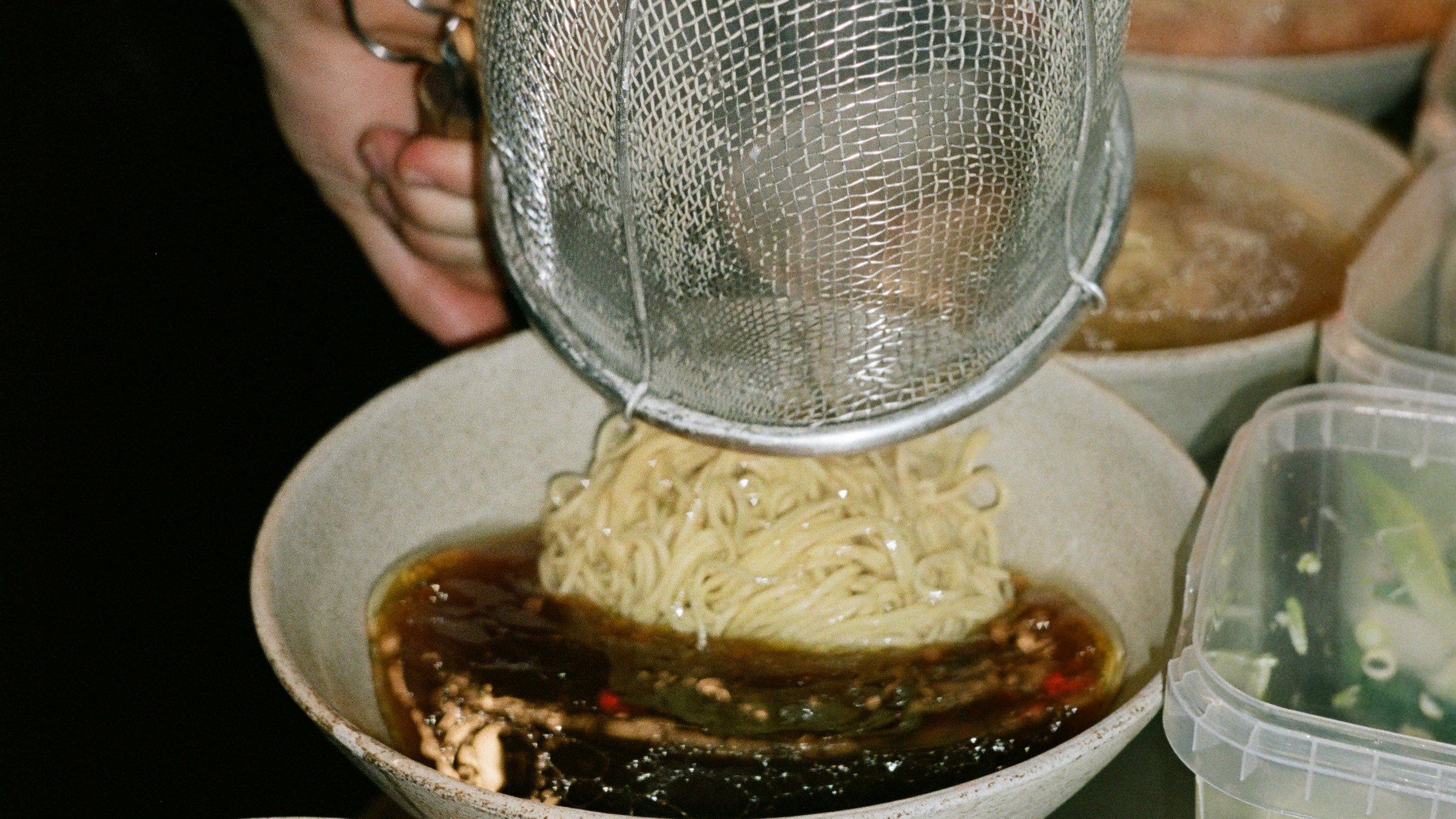
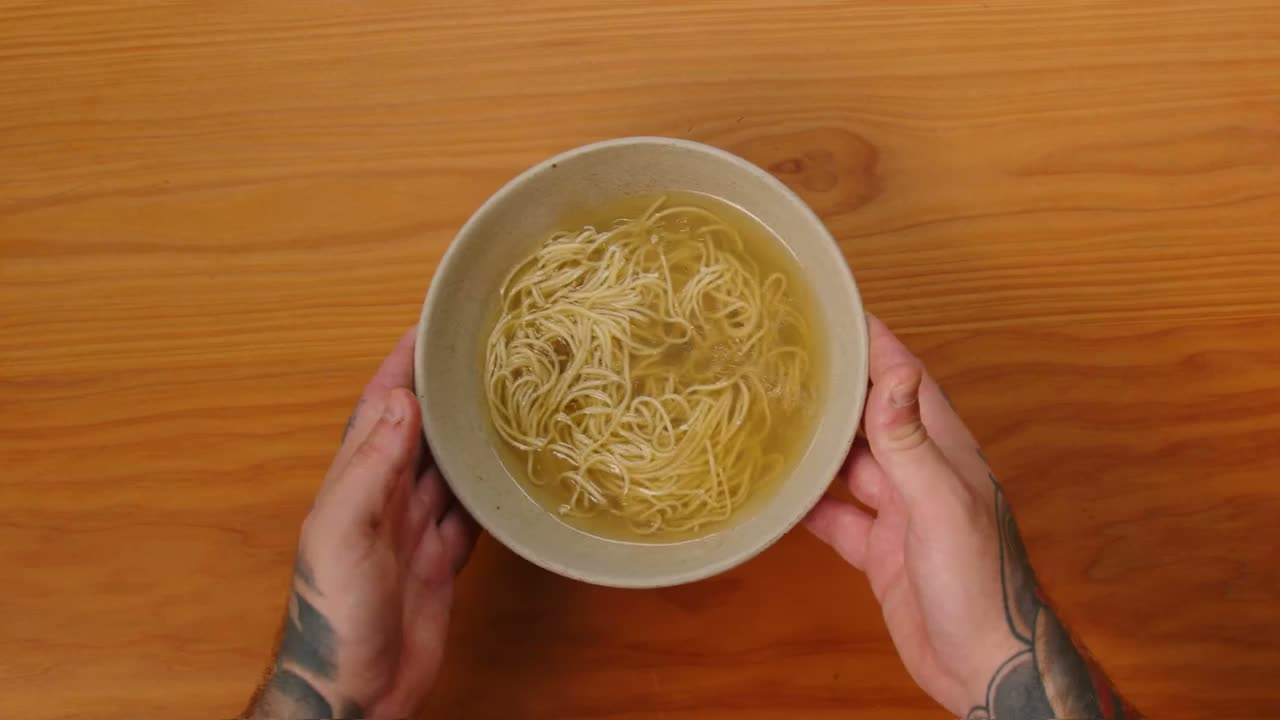
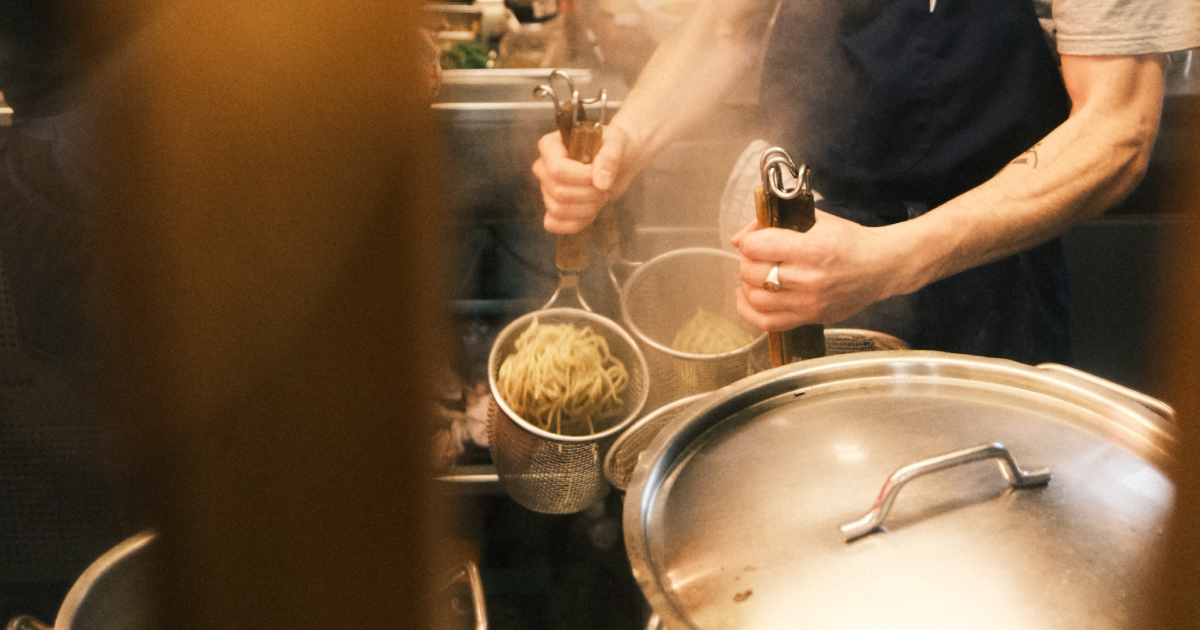
At Slurp we roll and cut noodles every morning on Suzy, our custom machine. We use locally milled Bornholm flour and adjust the noodles to the kitchen conditions. Papa also makes its organic noodles in house. Men O makes its noodles in house too, though the current menu keeps the focus on bowl choice and price.
Slurp for chicken broth, pork neck and a tight build
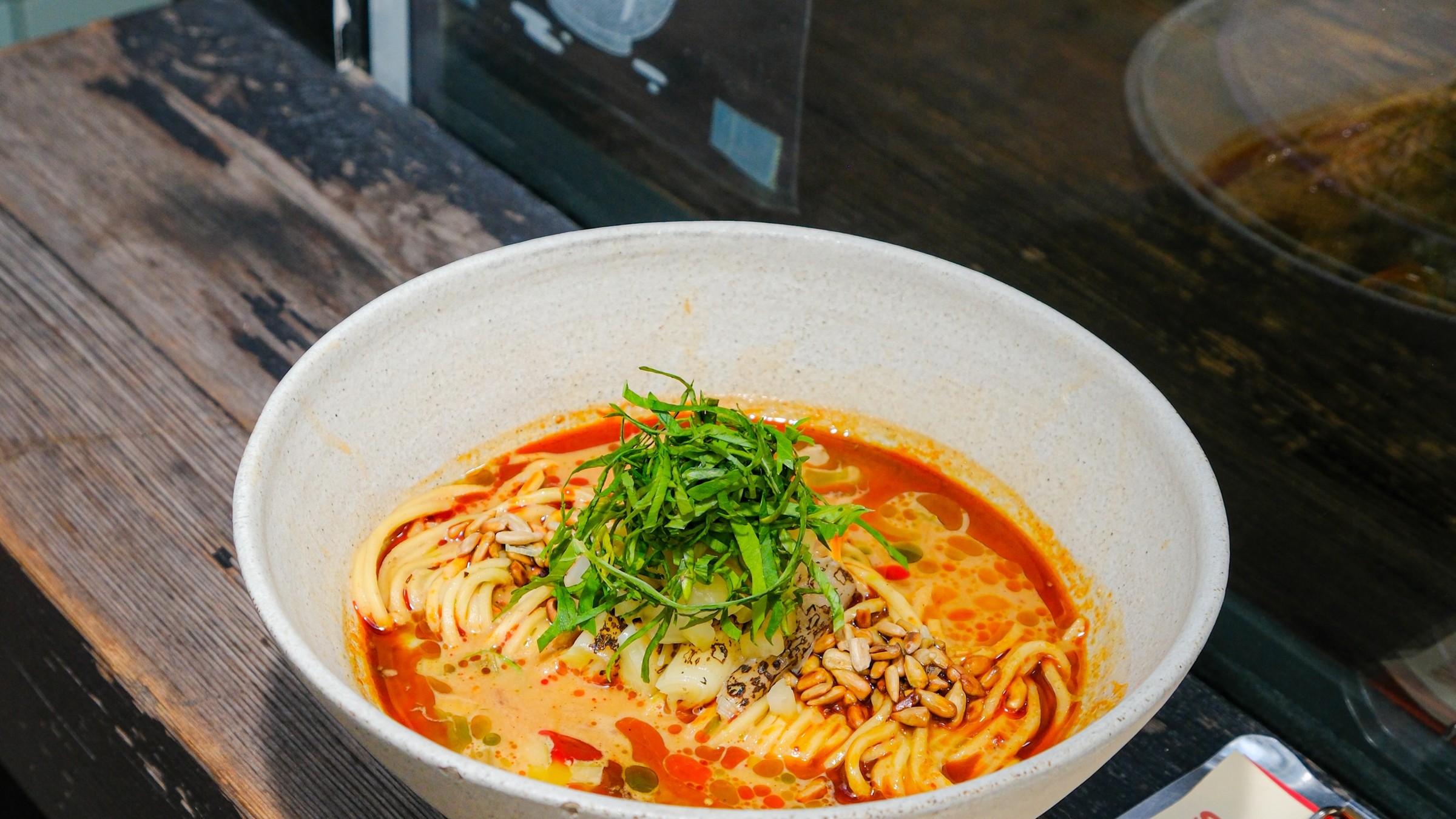
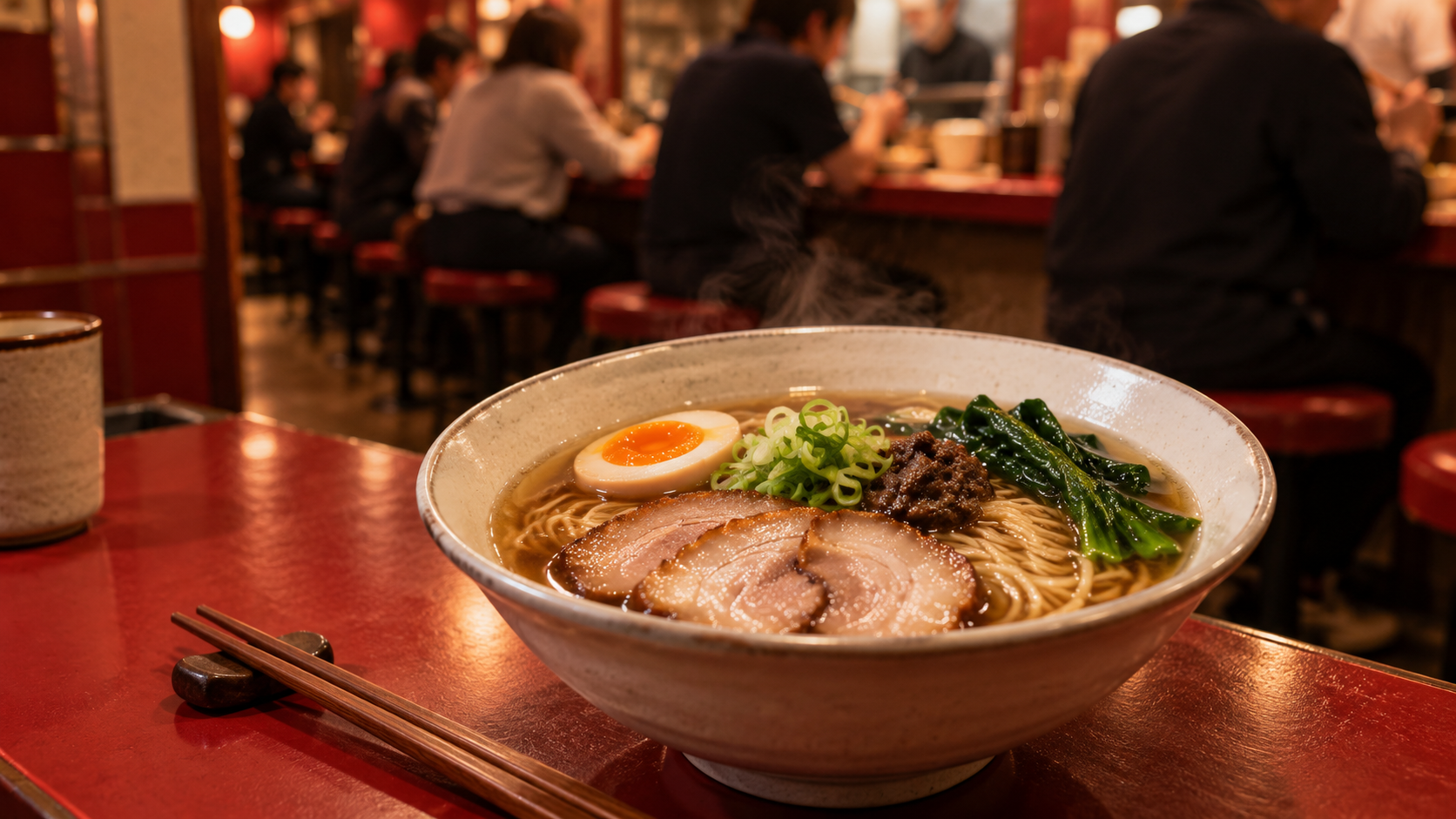
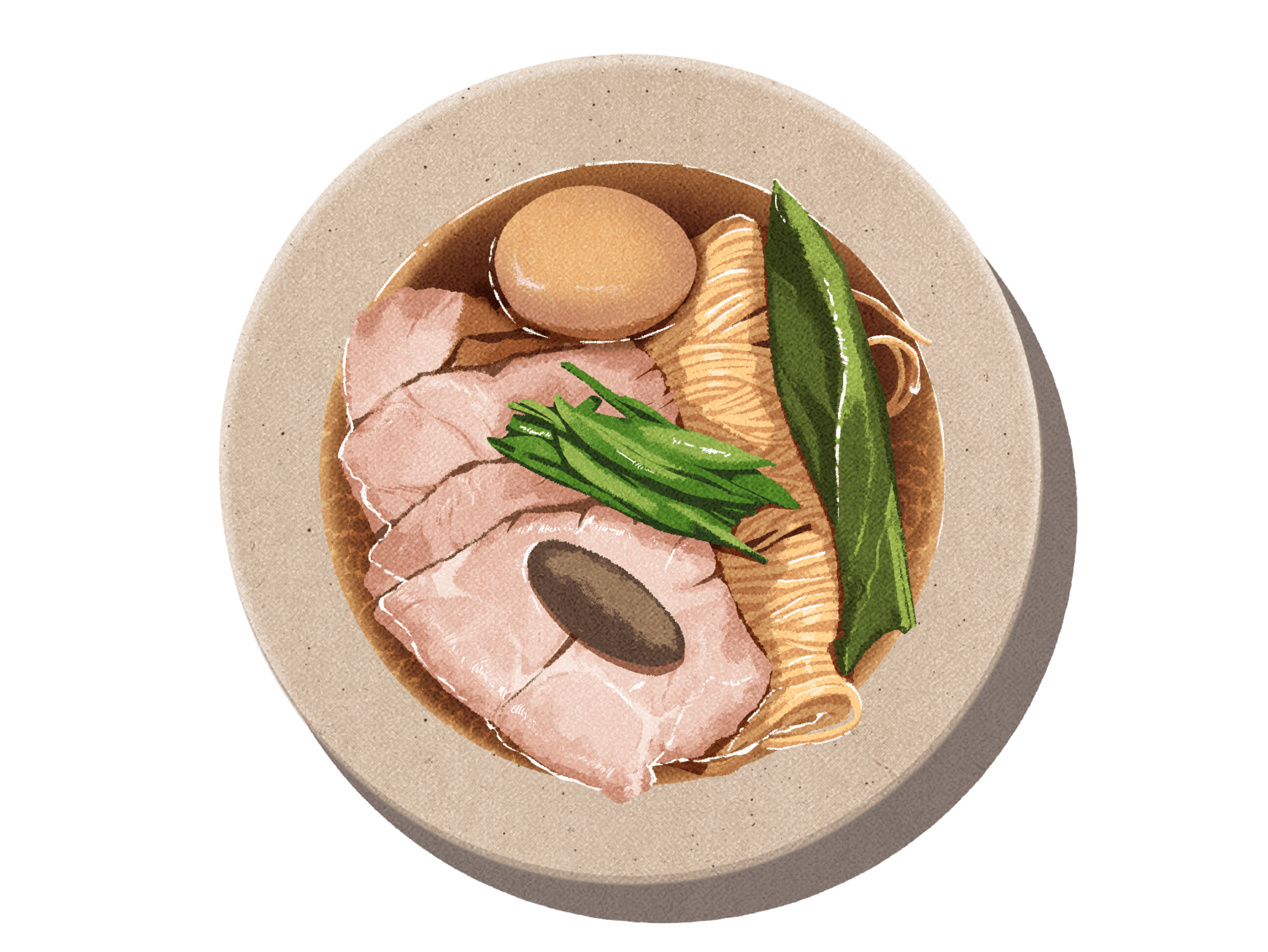
Our current Shoyu is 185 DKK at Nansensgade and Borgergade. It combines chicken broth with pork neck chashu, tamago, spring onions, mushroom paste, chard and garden sorrel. Hojicha is the listed tea pairing.
The chicken broth gives the soy seasoning a cleaner stage than a tonkotsu base. Mushroom paste deepens the middle of the bowl. Sorrel cuts through at the top. The noodles are cut that morning, which is less romantic than it sounds at 07:00 and much more useful at lunch.
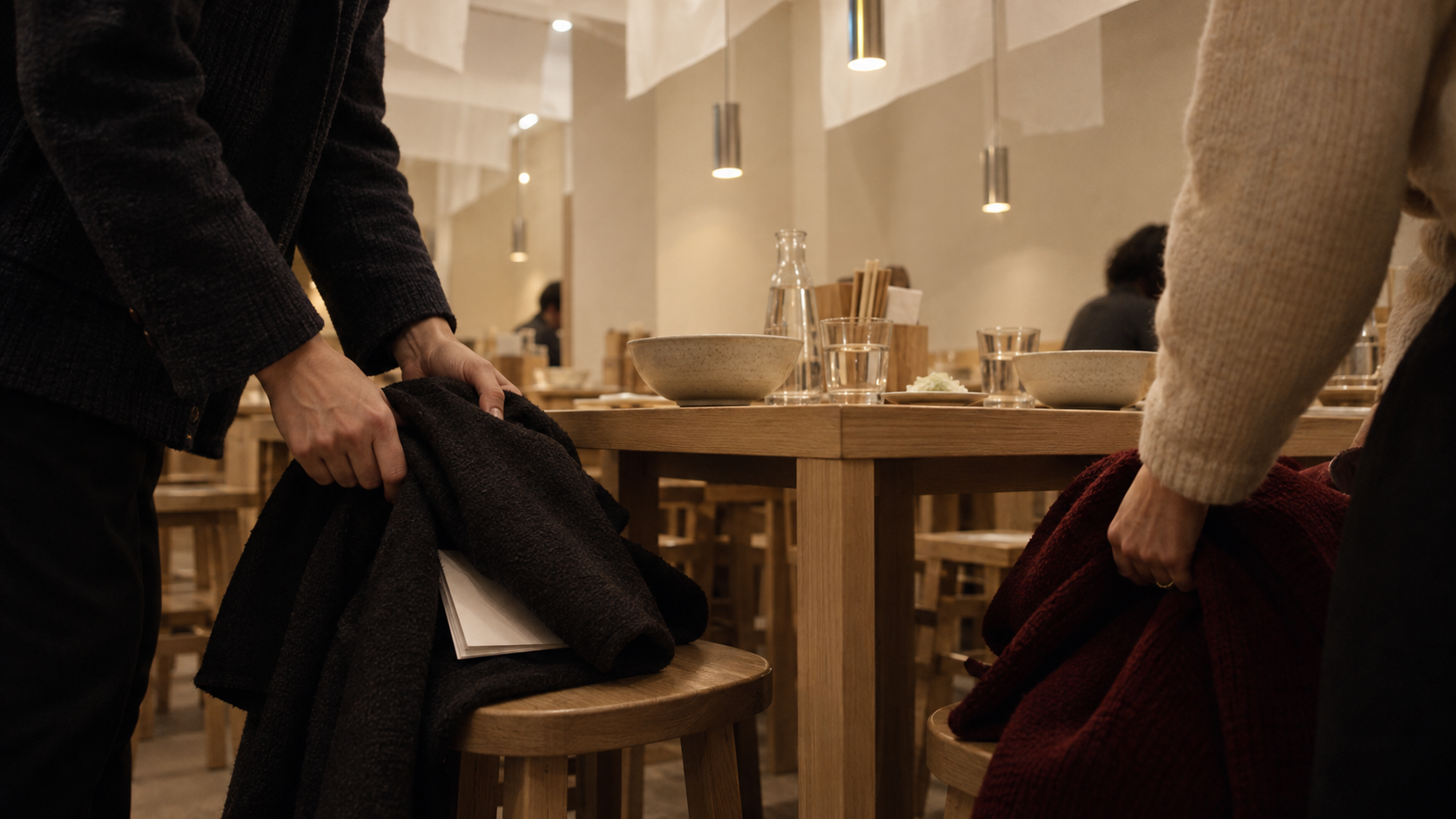
Both rooms are walk in only. Nansensgade has 22 seats and no guest toilet. Borgergade has 36 seats and more breathing room. Same shoyu, different elbows.
Men O for pork broth and selectable heat
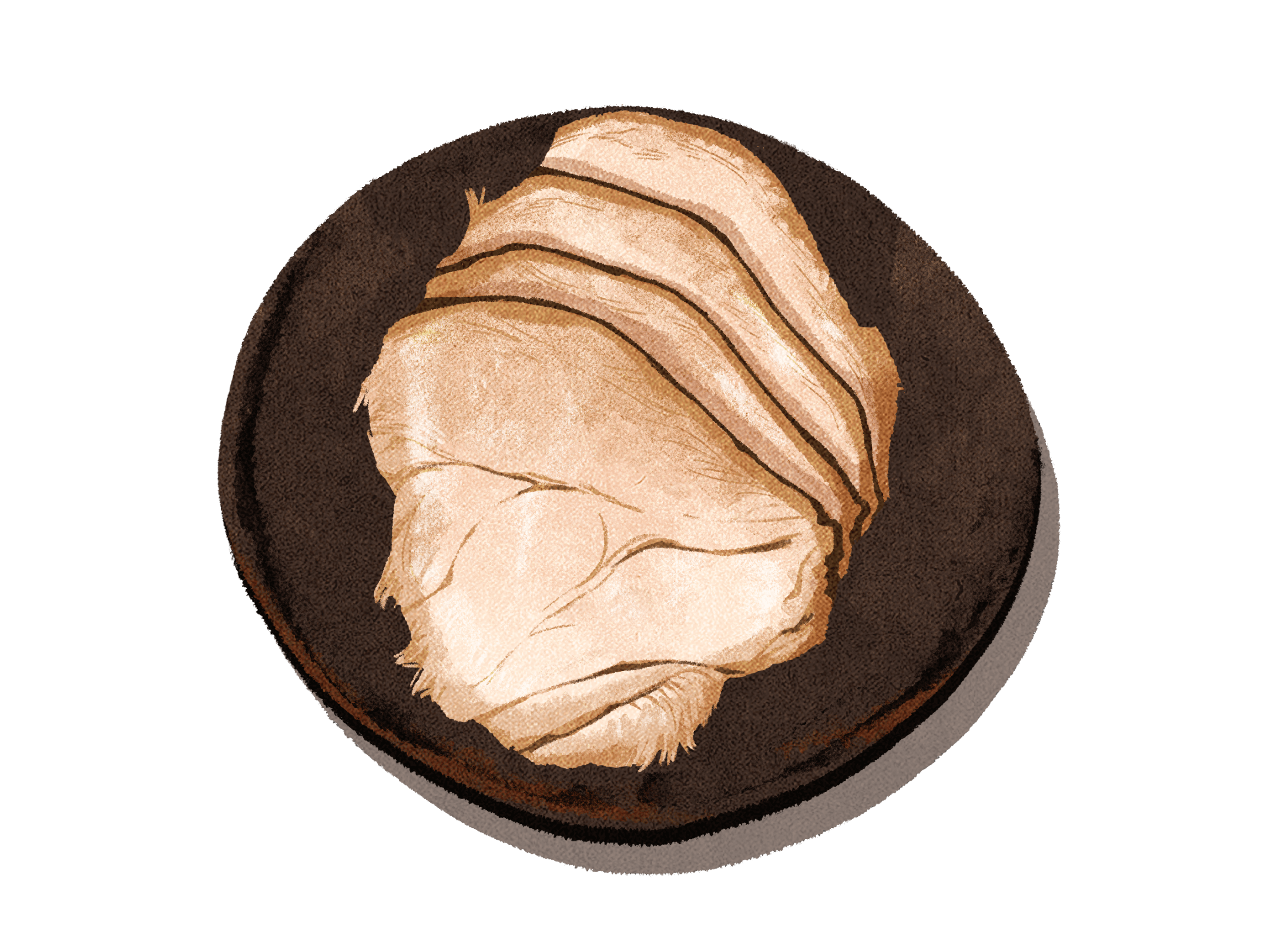
Men O serves Tonkotsu Shoyu at Vestergade 4 to 6 for 118 DKK. The bowl uses pork soup seasoned with the restaurant's Japanese soy sauce blend, then adds pork slices, ramen egg, seasonal greens and seaweed.
It comes as original, mild spicy or super spicy. That makes Men O the useful option for somebody who wants shoyu depth with a richer pork body, or wants chilli included in the decision from the start.
Men O also lists a clear chicken ramen seasoned with soy sauce, but calls it Tokyo Tori Shio. That is a good reminder to read the whole description. Restaurant naming is not a laboratory taxonomy.
Papa Ramen for chicken broth and homemade noodles
Papa Ramen serves its Shoyu at Skydebanegade 16 for 145 DKK. The current build lists chicken broth, homemade organic noodles, shoyu tare, organic pork chashu, spring onion, sprouts, seasonal toppings and an organic egg.
This is the direct, classic decision on Papa's menu. Choose it when you want chicken broth and a stated soy tare without the added chilli identity of the kimchi, tantan or chorizo bowls.
Papa takes reservations by phone or email, which separates it from Slurp's walk in counters. It is also farther into Vesterbro, close enough for dinner after the center but not an Indre By stop.
Ramen to Biiru for neighborhood choice
Ramen to Biiru lists Shoyu alongside Miso and Tonkotsu across its Copenhagen area restaurants. Current locations include Nørrebro, Vesterbro, Østerbro, Frederiksberg, Hellerup and the airport.
The location network is the advantage. You can choose the branch around the rest of your day instead of building the day around the bowl. The current shoyu broth, tare and oil are not specified in enough detail for a precise comparison, so ask at the counter if one component matters to you.
Soy broth and composed shoyu ramen are different menu promises
A flexible soy broth option can be good soup. A composed shoyu ramen makes a more specific promise: broth, tare, oil and noodles built to work together.
The distinction is useful at H Kitchen, whose Copenhagen menu lets guests choose soy or miso broth with several proteins and noodle types. Go there for flexibility. Go to a dedicated shoyu listing when the specific ramen style is the reason for dinner.
How to read a shoyu ramen menu
Start with the broth. Chicken points toward a cleaner frame. Pork points toward more weight. Vegetable broth can carry shoyu too, but check that the whole bowl is presented as vegan if that matters.
Then find the tare language. "Soy sauce" tells you the direction. "Shoyu tare" or a named soy blend tells you the restaurant is separating the seasoning from the broth in its description.
Look for aromatic oil and garnishes last. Mushroom, garlic, ginger, burnt onion and citrus can pull two soy seasoned soups far apart. The best choice is the build you want, not the one with the purest vocabulary.
Sources
Frequently Asked Questions
Yes in its core seasoning direction. Shoyu is the Japanese word for soy sauce. The complete bowl still depends on broth, aromatic oil, noodles and toppings.
No. Slurp and Papa currently use chicken broth for their named shoyu bowls. Men O uses pork soup in Tonkotsu Shoyu.
Usually not by default in the Copenhagen bowls covered here. Slurp, Men O and Papa list meat broth or pork toppings. Choose a bowl the restaurant explicitly labels vegan or vegetarian.
Assume wheat is present unless the restaurant confirms every component. Ramen noodles normally use wheat, and many soy sauces contain wheat too. Slurp cannot safely accommodate strict gluten exclusions.