The 13 Best Japanese Restaurants in Copenhagen in 2026: A Full-City Comparison
Copenhagen's Japanese cooking has stopped being one scene and become four, and they barely overlap. One chef now owns three of the best counters in the city, a wine bar serves the only Japanese breakfast worth crossing town for, and the cheapest full meal on this list is also one of the most precisely cooked.

TL;DR
Sushi Anaba handles raw fish at the highest level in the city, eight seats a sitting, and is effectively unbookable. Kinyōbi warns that a booking alone will not get you through its door.
Aotori grills yakitori over binchotan at eight seats. Selfish scatters a chirashi bowl for 255 DKK. Jah pours sake by the glass from 60 DKK against karaage, gyoza and gyukatsu.
For noodles, Ramen to Bíiru runs fourteen varieties across six sites, and Slurp Nansensgade and Slurp Borgergade cut theirs fresh every morning with flour milled on Bornholm.
Updated 2 October 2026
Order the tonkatsu set at Akaton and you get a breaded pork cutlet, rice, miso soup, shredded cabbage and pickles for 275 DKK. Order the nine-course omakase at Damindra and you get cod churros with dried mentaiko, bluefin toro and lobster with ikura for 945.
Both are Japanese cooking in Copenhagen in 2026 and neither tells you much about the other. The city's Japanese food arrived in four separate waves, from four different directions, and the useful question is which wave you are in the mood for.
How Did Copenhagen End Up With This Many Japanese Kitchens?
Restaurant Tokyo opened in 1964, the first Japanese restaurant in Scandinavia. Teruo Nakazawa took it over in the 1970s and was still working the kitchen in his seventies, cooking sukiyaki and shabu-shabu at the table in a room that has barely changed in fifty years.
The second wave was family businesses. Hiroko Uki, a Japan-trained sushi chef, and her son Daisuke have run rooms in Copenhagen since the late 1990s, opening Bento in a Vesterbro basement in 2005 with four seats and a menu of sashimi and bento boxes. Selfish has cut sushi on Elmegade since 2001.
Ramen came third, and through a partnership rather than a solo opening. Mikkeller built Ramen to Bíiru with the same Bento family and brought chef Takuro Otani from Japan to develop the broths. The izakaya turn followed with Jah on Gasværksvej.
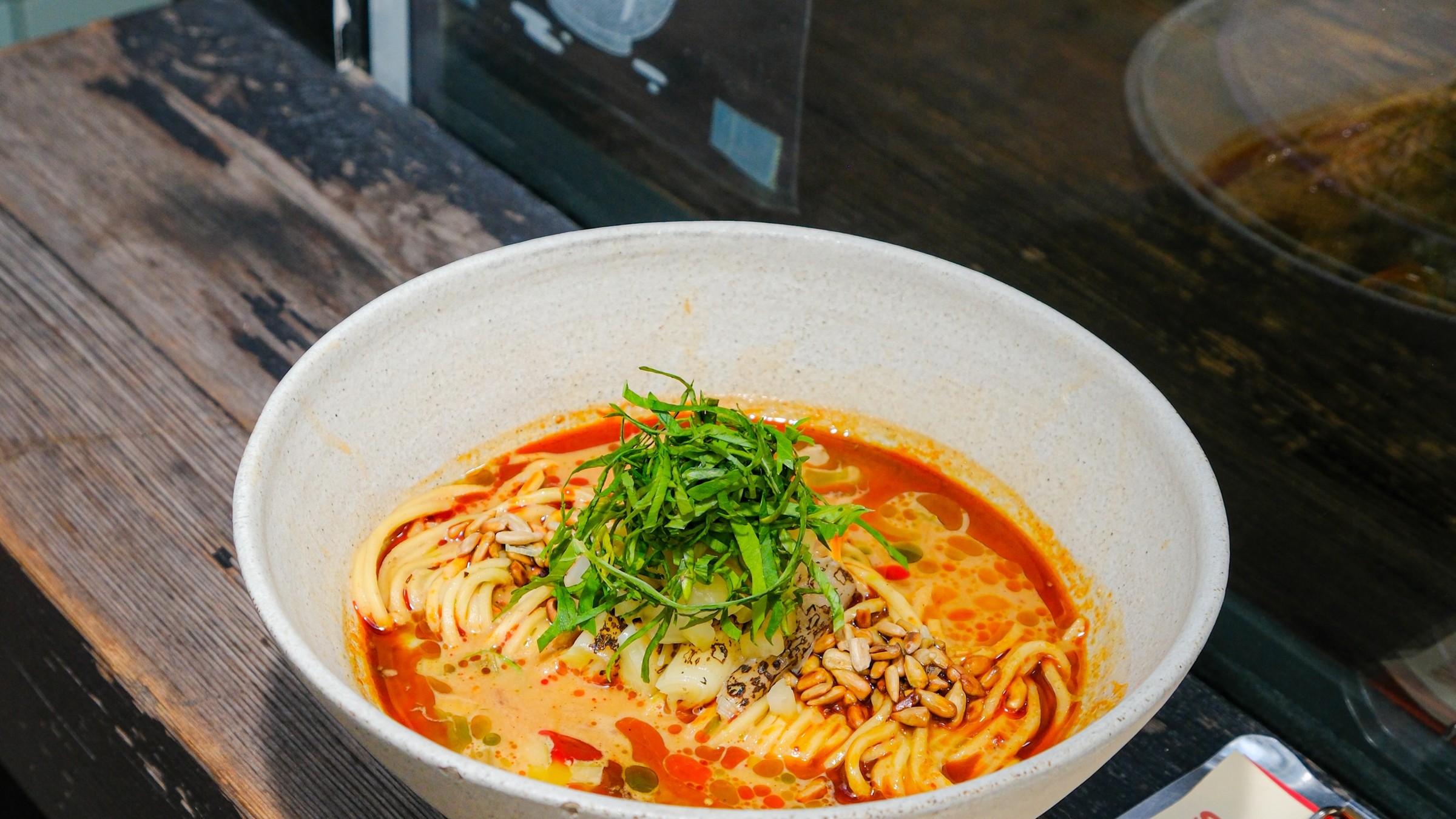
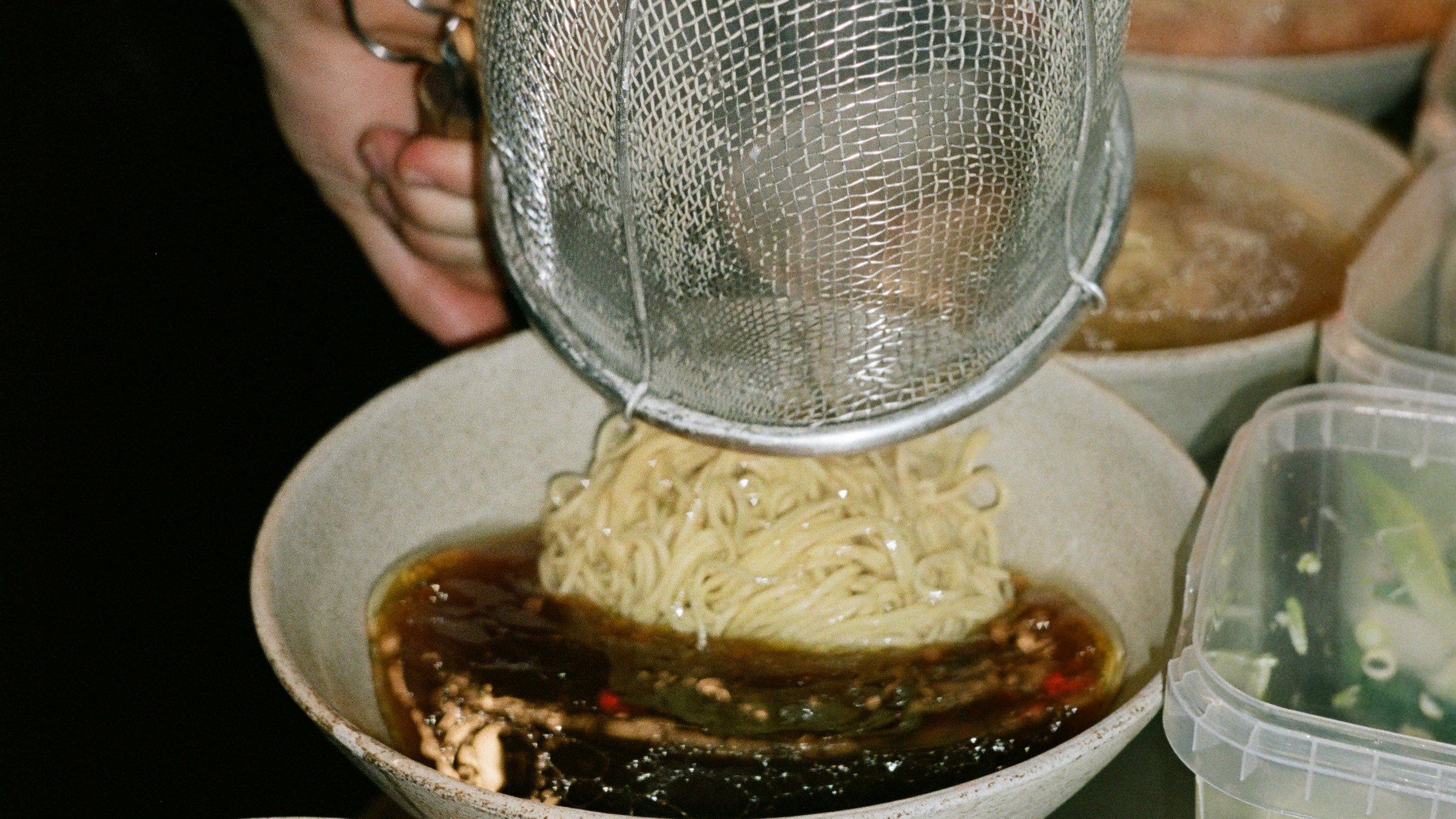
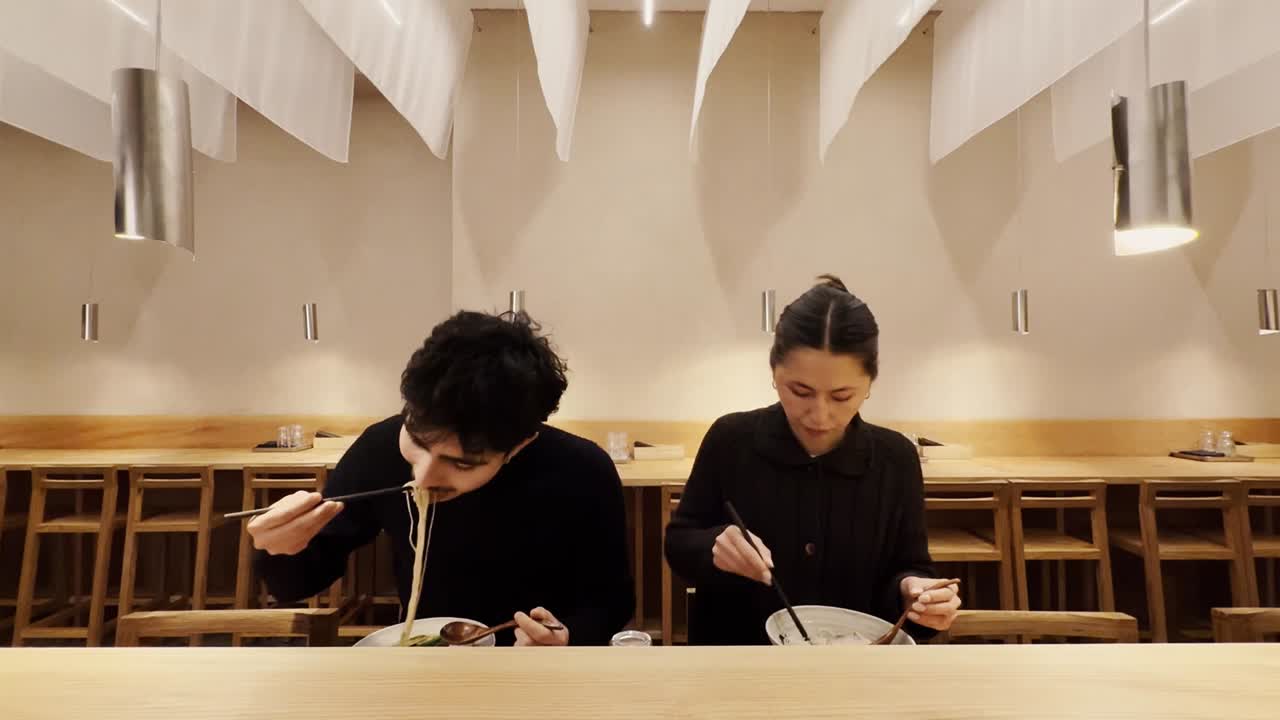
We opened Slurp on Nansensgade in 2017, after cooking at Noma and Relæ and then at RyuGin in Tokyo. It is one short menu of ramen, broths simmered for hours to entire days, noodles cut in the room each morning with Øland flour milled on Bornholm.
The fourth wave is the small counter, and it is happening now. Two rooms opened in the same Østerbro building in January 2026, and a third in the centre is run by a chef who came from a Cantonese kitchen rather than a Japanese one.
How Do the 13 Japanese Restaurants Compare?
| Restaurant | Area | What they cook | Booking | Open days | Price |
|---|---|---|---|---|---|
| Sushi Anaba | Nordhavn | Edomae nigiri, omakase only | Online only, very hard | Not published | High, not published |
| akmē | Nordhavn | Japanese structure, French sauce work | Bookable, 2 to 3 weeks out | Not published | 1,300 or 1,500 DKK |
| Aotori | Østerbro | Yakitori over binchotan, 8 seats | Required | Wed to Sat | Not published |
| Kinyōbi | Indre By | Nigiri, wagyu skewers, a listening bar | Bookable, door policy applies | Every day | 485 or 985 DKK |
| Damindra | Frederiksstaden | Omakase, sashimi, bluefin toro | Recommended | Tue to Sat | 298 to 945 DKK |
| Akaton | Østerbro | Tonkatsu teishoku, panko crust | Walk-in friendly | Wed to Sat | 275 DKK |
| Selfish | Nørrebro | Chirashi bowls and sushi sets | Few seats, book if you can | Tue to Sat | 125 to 840 DKK |
| Jah Izakaya and Sake Bar | Vesterbro | Karaage, gyoza, gyukatsu, sake | Bookable | Every day | 40 to 495 DKK a dish |
| Slurp Nansensgade | Indre By | Ramen, noodles cut each morning | Walk-in only | Every day | 175 to 210 DKK a bowl |
| Slurp Borgergade | Indre By | Ramen, broths simmered for days | Walk-in only | Every day | 175 to 210 DKK a bowl |
| Ramen to Bíiru | 6 sites and the airport | Shio, shoyu and miso ramen with beer | Order at a ticket machine | Every day at Nørrebro | Budget to mid |
| Restaurant Tokyo | Vesterbro | Sukiyaki and shabu-shabu at the table | Bookable | Tue to Sat | Lunch 100 to 135 DKK |
| Bento | Vesterbro | Family sashimi and bento boxes | Bookable, small room | Not published | Mid |
Which 3 Rooms Belong to the Same Chef?
One name runs through the expensive end of this list. Mads Battefeld owns Sushi Anaba, and he co-owns Aotori, and Akaton with Tobias Isaksen.
Sushi Anaba is the strict one. Battefeld trained for a year in Ginza under Hiroyuki Sato and works Edomae nigiri at Mariehamngade 23, with the rice cooked fresh up to three times through a single service and seasoned with a sake-based vinegar that turns it dark.
Nothing else is on the menu. Rice, fish, soy and wasabi are balanced piece by piece and there is no sauce to hide behind, which is the whole argument for eating sushi at a counter rather than off a conveyor.
The room has no sign on the door and curtains across the windows. You know you have found it once you are inside.
Eight guests a seating, two seatings a night, booked online. The dietary line matters more than the odds: it cannot accommodate vegetarians, vegans, or any allergy except lactose, and cannot cater to coeliac guests at all, because soy sauce and miso run through the meal.
What Do You Get at Aotori and Akaton for the Money?
The two January openings share one Østerbro address and split the price range down the middle. Aotori is eight seats grilling premium chicken and vegetables over binchotan charcoal, run by chef Daichi Suminoe from Osaka. It is the only counter in the city given over entirely to yakitori.
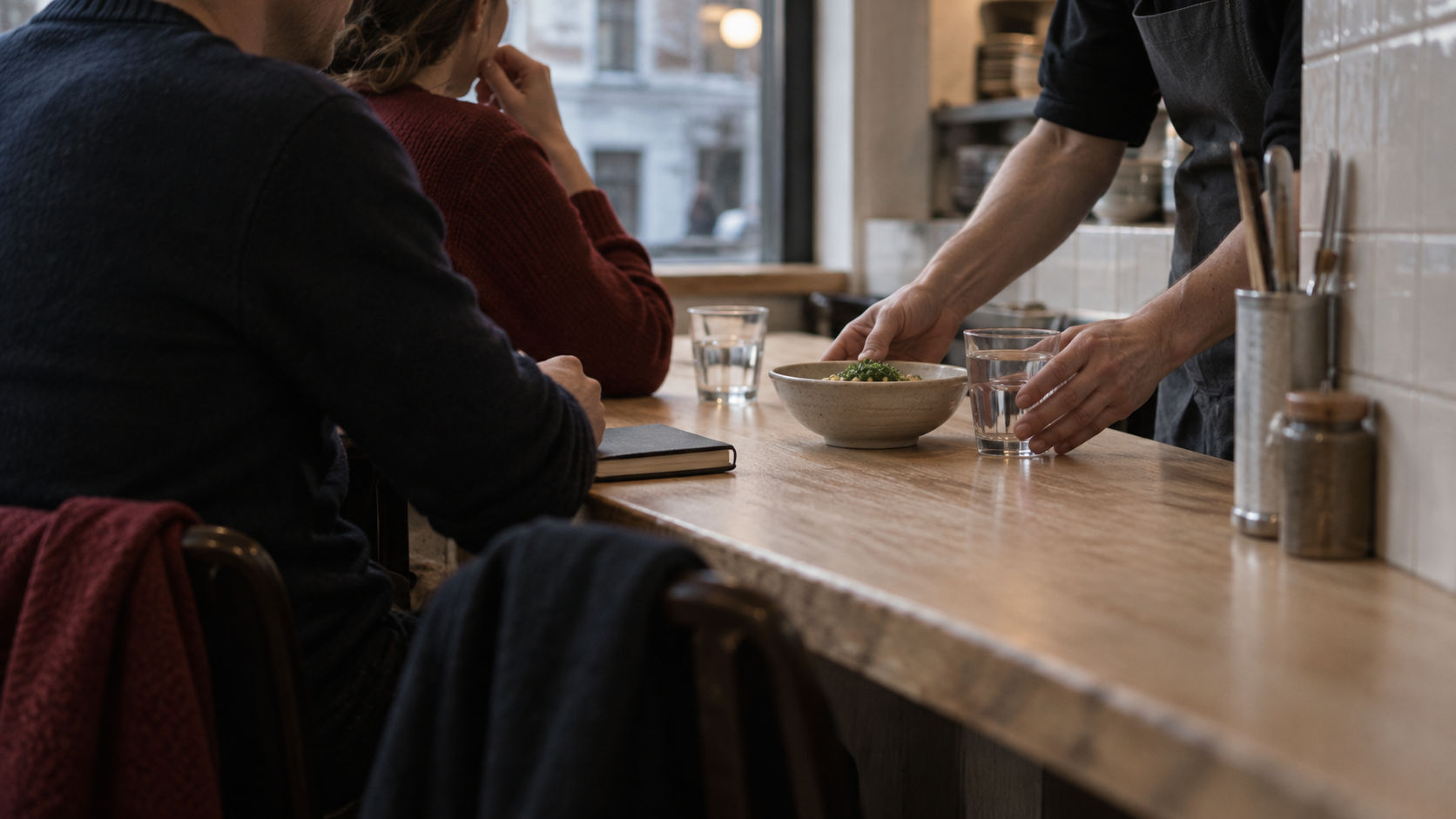
Akaton is the back room and the whole meal costs 275 DKK: a breaded pork cutlet with rice, miso soup, shredded cabbage and house pickles, with extra servings if you want them.
The detail worth knowing is the sourcing. The pork comes from Bertel Gris and Oxneholm Naturgris, and it is coated in Japanese panko for a light, fluffy crust rather than a heavy one.
Same building, same team, and the cheaper room is the one you can walk into. Both run Wednesday to Saturday only.
Is a Booking Enough to Get Into Kinyōbi?
No. A reservation does not guarantee access on its own at Kinyōbi, and the door also weighs dress, attitude and prior history.
What is behind the door is worth the sentence. Kinyōbi Classics is 485 DKK a head and the deluxe omakase is 985, taking in bluefin sashimi and nigiri, karaage fried chicken in dashi cream, futomaki and hosomaki, dry-aged beef with yakiniku sauce, and A3 wagyu skewers with yuzu kosho.
Lunch is the cheaper way in and the better one for a first visit: an ichijū-sansai set of miso soup, salad, house pickles and steamed rice with a choice of miso-grilled fish, eggplant katsu or chicken karaage.
The 262 square metre room was designed by Space Copenhagen in walnut, stone and linen, with a twelve seat private table and DJs from 21:30 on Thursday to Saturday. The kitchen serves lunch 12:00 to 14:30 every day while the bar runs to 02:00 at weekends. Turn up at 15:00 hungry and you have arrived at a bar.
Where Should You Go for Sushi Below 1,000 DKK?
Damindra on Sankt Annæ Plads prices the whole range on one page: a lunch bento box at 298 DKK, lunch omakase at 485, five courses of the chef's sushi at 585, and a nine course dinner omakase at 945.
The cooking is the reason to spend at that end. Cod churros with dried mentaiko to open, a sashimi selection of salmon, tuna, scallop and hamachi, bluefin toro, lobster with ikura, and maki to close.
Two rules there catch people out. Dinner is set menu only, with no à la carte after 17:00, and the room is closed on both Sunday and Monday.
Selfish on Elmegade is the budget answer, and the thing to order is a bowl rather than a set: bara chirashi at 255 DKK or kaisen chirashi at 295, scattered over rice, with lunch sets from 125 and sushi sets from 155 for seven pieces up to 840 for forty five.
Be realistic about the room. It is a carry-out counter with a handful of seats, and it has no accessible entrance.
Collect an order and it never disappoints. Turn up as four people expecting a table and it might.
What Is the Best Japanese Restaurant in Copenhagen for a Long Evening?
Jah Izakaya and Sake Bar on Gasværksvej is the one built for staying put, and the menu is built the same way: tori no karaage, gyoza, agedashi tofu, sashimi and gyukatsu, breaded and fried beef, ordered a few plates at a time against sake by the glass from 60 DKK.
It runs 17:30 to midnight, and to 01:00 on Friday and Saturday. The kitchen does not. Last food order is 22:00 every day, so the final hours are a drink and a conversation.
The kitchen changed hands for a reason worth knowing. Head chef Gentaro Kimura was promoted after Shinya Ito had to leave Denmark when his residency permit was not renewed. The restaurant sits in the Cofoco group alongside Posh Jah.
Where Do You Get Ramen and Noodles in Copenhagen?
Ramen to Bíiru started on Griffenfeldsgade in Nørrebro and now runs six sites plus a unit at the airport, pouring Mikkeller beer alongside shio, shoyu and miso bowls. You order from a Japanese ticket machine rather than a person, which surprises people once and never twice.
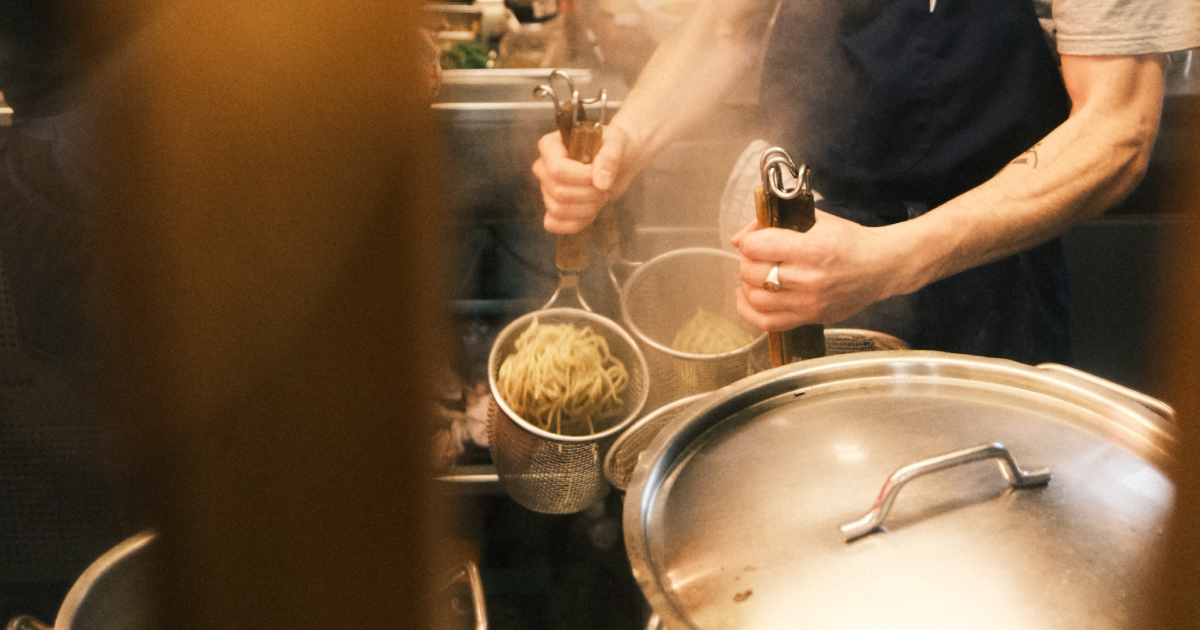
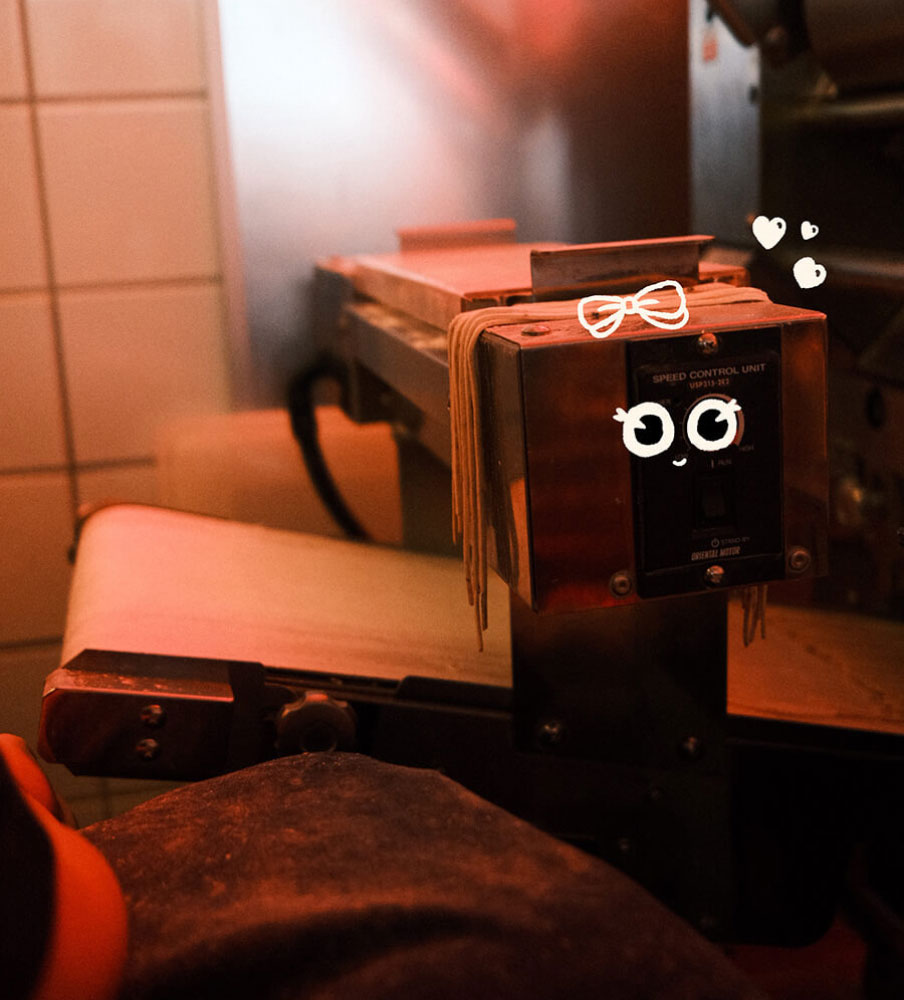
The noodles are its own. A single machine turns out about 400 servings a day across fourteen ramen varieties, with miso the most ordered. The original Nørrebro shop is the one to start at.
Slurp works the same craft from the other end, with a shorter menu and a longer clock. Shoyu and shio are 185 DKK, the veggie bowl 175 and vegan without the egg, an nduja miso 195, and a tonkotsu 210 that runs at dinner only, fifteen portions a day.
At Slurp we cut our noodles fresh every morning on a machine built for the job, using Øland flour milled on Bornholm rather than shipped in, and we simmer the broths for hours to entire days to build depth rather than reduce for speed. The toppings move with the season instead of sitting fixed on a laminated menu.
What Do the Two Slurp Rooms Do Differently?
Slurp Nansensgade is the original twenty two seat counter, small and loud, with the kitchen open to the room. Slurp Borgergade opened in January 2025 with thirty six seats and runs 11:30 to 15:00 and 17:00 to 22:00, so check the clock before you cross town for the bigger room.
Neither Slurp room has ever taken a reservation, and the two menus overlap without matching, so they are worth treating as two visits rather than one.
What is on both is a short list rather than a long one: a shoyu and a shio at 185 DKK, a veggie bowl at 175 that is vegan without the egg, an nduja miso at 195. The tonkotsu at 210 runs at dinner only, fifteen portions a day, and when it is gone it is gone.
Which Room Has Been Doing This the Longest?
Restaurant Tokyo sits on the first floor at Vesterbrogade 77, and it is the oldest entry here by three decades. The interior has barely changed in fifty years, tatami platforms and soft light.
Sukiyaki is the dish the owner recommends when asked, thin beef simmered at the table in a sweet soy broth, with shabu-shabu beside it and sashimi, tonkatsu and tempura filling out the rest.
Lunch is cheap and the best-value Japanese meal in the city: a beef gyuudon at 120 DKK, a chicken karaagedon at 100, katsu curry rice at 130 and an onigiri set at 135.
Read the clock carefully. Lunch runs 10:00 to 15:00 with the kitchen closing at 14:30, and dinner runs Tuesday to Saturday, 17:00 to 23:00, with the kitchen closing at 20:45. Sunday and Monday it is shut.
Bento is the other long-running family room, in a basement at Helgolandsgade 16, cutting sashimi and building bento boxes the way Hiroko Uki learned in Japan. It opened in 2005 as one of the smallest restaurants in the city, with four seats in the back.
What Is Worth Knowing Beyond the 13?
One Saturday service does not fit any category here and is the single best tip in this guide. Admiralgade 26 serves choushoku, a Japanese breakfast, on Saturdays only from 11:30 to 14:00.
It is 395 DKK for nine servings, built around rice, miso soup and egg with generous plates of greens and fish to share, eaten in a wine bar and bistro rather than a Japanese dining room.
Christian Nedergaard and Sebastian Nellemann run it, the same pair behind the wine bar Ved Stranden 10, and the rest of the week the kitchen is Nordic with a Japanese lean. Lunch runs Monday to Friday, dinner Wednesday to Saturday, closed Sundays.
It is not a Japanese restaurant and does not claim to be. It is the best Japanese breakfast in Copenhagen by default, because almost nobody else serves one, and it is worth planning a Saturday around.
How Should You Choose in 2026?
Start with what you actually want to eat. Raw fish at the highest level in the city is Sushi Anaba, and it costs three weeks of planning. Raw fish under a thousand kroner is Damindra's nine courses, or a chirashi bowl at Selfish for a fifth of that.
For fire, Aotori's skewers over binchotan. For frying, Akaton's panko-crusted tonkatsu set at 275 DKK. For a table you cook at yourself, Restaurant Tokyo's sukiyaki.
For small plates and sake across a long evening, Jah. For noodles, Ramen to Bíiru's fourteen varieties or a handmade bowl at Slurp Nansensgade or Slurp Borgergade.
Then let the calendar narrow it. Aotori, Akaton, Damindra, Selfish and Restaurant Tokyo all close for two or three days a week, and that is the single most common reason a Japanese dinner plan falls over in this city.
Nobody wins every category. That is what a scene looks like when it has had sixty two years to spread out.
Sources
- Sushi Anaba, menu and dietary policy; VisitCopenhagen, Sushi Anaba; Craving Copenhagen, Mads Battefeld
- akmē, menu and prices; The Infatuation, akmē
- Washoku Guide, Aotori and Akaton; Aotori, Akaton page
- Kinyōbi, food and prices and lunch and door policy; Hospitality Interiors, Space Copenhagen unveils Kinyōbi
- Damindra, menu, prices and hours
- Selfish, menu and prices; O-Cafeen, Selfish
- Jah Izakaya, hours and menu; Heartbeats, the team behind Jah Izakaya; Cofoco, Japanese restaurants
- Slurp, Nansensgade, Borgergade and the menu
- Mikkeller, Ramen to Bíiru Nørrebro; Yamato, the noodle programme; VisitCopenhagen, Ramen to Bíiru Vesterbro
- Restaurant Tokyo, hours and lunch menu; Heartbeats, a monthly classic
- Mig og København, Bento
- Admiralgade 26, choushoku and menu; Anders Husa, Admiralgade 26
Frequently Asked Questions
There is no single answer. Sushi Anaba is the strictest sushi counter, Damindra the best value omakase under a thousand kroner, Akaton the cheapest full meal at 275 DKK, and Aotori the only dedicated yakitori counter in the city.
Ramen to Bíiru runs fourteen varieties across six sites and takes orders at a ticket machine. Slurp Nansensgade and Slurp Borgergade serve bowls at 175 to 210 DKK, with noodles cut each morning from Øland flour milled on Bornholm and broths simmered for hours to entire days.
Akaton is walk-in friendly and both Slurp restaurants take no booking at all. Sushi Anaba, Aotori and akmē all require one, and Kinyōbi warns that a reservation alone does not guarantee entry.
Admiralgade 26 serves choushoku on Saturdays from 11:30 to 14:00, nine servings for 395 DKK, built around rice, miso soup and egg with generous plates of greens and fish to share. It is a wine bar and bistro rather than a Japanese restaurant.