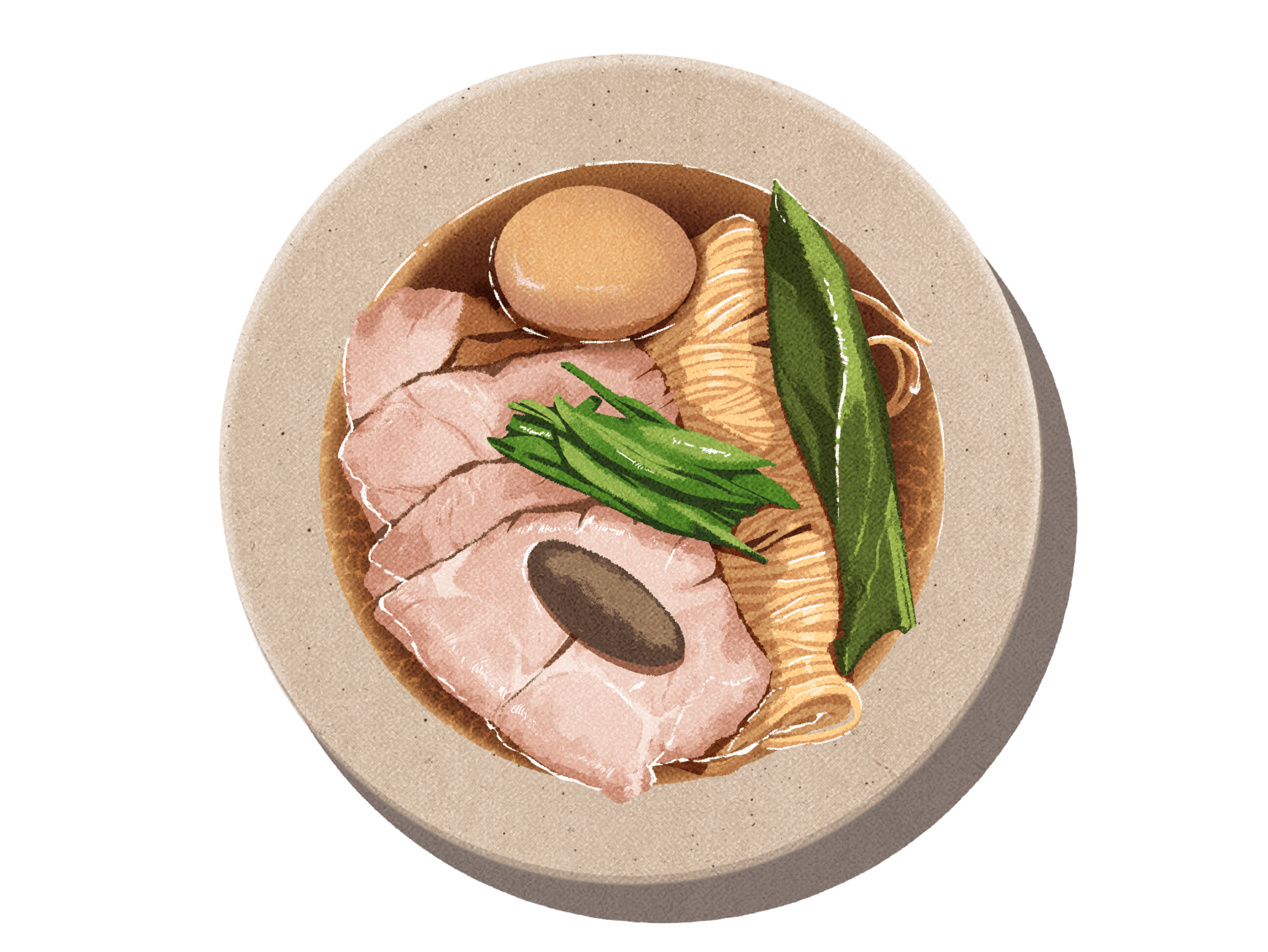
10 Copenhagen Restaurants That Feel Special but Still Relaxed in 2026
A birthday dinner in Copenhagen does not have to mean a hushed room, an eight-course script and a bill that arrives before dessert. The ten rooms below offer different ways to make the night feel considered: an open kitchen, a working counter or a menu with visible craft. Their booking policies differ, so check the individual entry. That is a different question from which room feels cosy. It is about what you are actually asking a restaurant to do for you on a night that matters.


TL;DR
Ten special-but-relaxed picks span several formats: Akaton serves tonkatsu at a counter, Bar Vitrine offers à-la-carte small plates with natural wine, and Damindra has a shorter five-course sushi dinner for 585 DKK.
Aotori serves a set menu of yakitori at an eight-seat counter; it is a planned seat, included for watching each skewer prepared in front of you rather than spontaneous entry. Ved Stranden 10 takes no reservations for wine, cheese and a croque monsieur; Seaside Toldboden's seven kitchens are a harbour dinner to reserve ahead.
akmē, JATAK, Sushi Anaba and Kinyōbi sit on the more structured or stricter-door side of the line. SURT is a good pizza night rather than an anniversary room. At Slurp, our two walk-in ramen rooms take no reservations, with a seat subject to availability.
What Actually Separates a Special Copenhagen Restaurant From a Relaxed One in 2026?
Start with the guest list. A couple who wants to watch a cook work needs a different room from six friends who need one table and several cuisines. The entries below sort those choices by how the evening works once you arrive, from compact counters to a waterfront dining hall.
Which Restaurants Are Too Special to Actually Feel Relaxed?
Some excellent rooms ask for more planning and a longer fixed-menu commitment before the first course arrives.
akmē in Nordhavn runs Japanese technique through French sauce work from a harbourside counter, with a tasting menu at 1,300 DKK and a set menu at 1,500 DKK, plus a beverage pairing on top. The restaurant links to online reservations; check its calendar for a particular date.
JATAK in Nørrebro cooks a single solar seasonal menu built around Danish produce, open Thursday to Sunday only, priced at 1,700 DKK before a wine pairing that runs another 1,200 to 1,500 DKK. It is a one-menu kitchen; reservations open two months ahead, but walk-ins are welcome when space is available. A walk-in seat is possible, not guaranteed.
Sushi Anaba seats eight guests at a time, twice a night, behind curtained windows with no sign on the door in Nordhavn. Chef Mads Battefeld builds Edomae nigiri piece by piece, and the booking-only model means an evening there has to be planned rather than decided.
Kinyōbi in Indre By pairs sushi and grill dishes, raw tuna with yuzu kosho among them, with a listening bar running DJs on weekend nights inside a 262 square metre room. A reservation there does not guarantee entry on its own; the door also reads a guest's dress, attitude and history, which is the opposite of a relaxed proposition even when the food is genuinely good.
These four lean toward structured menus or a more formal door policy, a different kind of evening from the ten entries below.
Where Can You Get a Real Occasion Without a Full Tasting Menu?
Damindra on Sankt Annæ Plads in Frederiksstaden offers a shorter lunch and set-menu dinner in the same Japanese kitchen. A lunch bento box runs 298 DKK. Dinner is set-menu only; the shorter five-course chef's selection of sushi is 585 DKK. The nine-course omakase at 945 DKK is a more structured evening, not the shorter option this guide groups with the relaxed picks.
It runs Tuesday to Saturday, 12:15 to 14:00 and 17:00 to 22:00, with reservations recommended. That advice is worth following if Damindra is the reason for the evening; the restaurant does not promise same-week availability.
Which Small Rooms Turn a Weeknight Into an Occasion?
Two close counters and a small wine-bar room make different kinds of occasion; their seating policies differ.
Akaton on Øster Farimagsgade in Østerbro is a tonkatsu counter, breaded pork cutlet coated in Japanese panko for a light crust, served with rice, miso soup, shredded cabbage and pickles for 275 DKK. It is open Wednesday to Saturday and takes reservations online. It shares its building with the yakitori counter next door.
That neighbour, Aotori, serves a set menu of yakitori from a binchotan grill at an eight-seat counter, mainly with chicken from Danish farms and local vegetables. It takes reservations. Unlike Akaton, it is a planned set-menu seat, included here for the close view of skewers prepared in front of you, not for walk-in spontaneity.
Bar Vitrine at Møntergade 5 has sixteen seats shared between a birch communal table and window seats. Its changing Indian-leaning plates have included a lentil pancake with spring greens and mint chutney; check the menu for today rather than counting on that exact plate. It opens Tuesday to Saturday from 16:00 to 23:00, with the kitchen from 17:00, and takes walk-ins only; an open seat is not guaranteed.
Where Does History Do the Work of Feeling Special?
Some rooms earn the occasion through the building rather than the menu.
Admiralgade 26, run by Christian Nedergaard and Sebastian Nellemann in a house from 1795 to 1796 near Gammel Strand, is a wine bar and bistro most nights. On Saturdays only, from 11:30 to 14:00, it serves choushoku, a Japanese breakfast of rice with dried fish and seaweed, miso soup, pickles and egg custard, for 445 DKK across nine servings.
Its regular lunch runs 375 to 525 DKK for two or four courses, and dinner is a five-course set menu at 675 DKK. Miss the Saturday window and it is a different, still good, room entirely.
Ved Stranden 10, a natural wine bar on the Slotsholmen canal that has poured since 2009, takes no bookings at all and keeps no fixed wine list, choosing instead to talk through the evening's options with each table. The kitchen runs to cheese, charcuterie and a croque monsieur, open Monday to Friday 15:00 to 22:00 and Saturday from noon, closed Sunday.
A Wednesday tasting from 17:00 pours four to six wines for 150 DKK, first come only.
Which Room Makes a Harbour Dinner Feel Like an Event?
Seaside Toldboden, housed in a former customs building on Nordre Toldbod near the Little Mermaid, runs seven independent kitchens under one roof: Nonna Regina for Italian pasta, Patagonia Grill for Argentine fire cooking, Dang Dang for Asian dishes, Ocean Bar for seafood, Marina for sushi, Sonora for Latin American cooking and Pernille's for Danish classics.
The kitchens run midday to 22:00 daily, with a weekend brunch from 10:00 to 12:30, and the harbour light through the old customs windows does the work a formal room usually does. Reserve ahead for a weekend visit; do not assume an unreserved seat at the bar or kitchens.
What Do the 2 Slurp Rooms Add to a Relaxed Occasion?
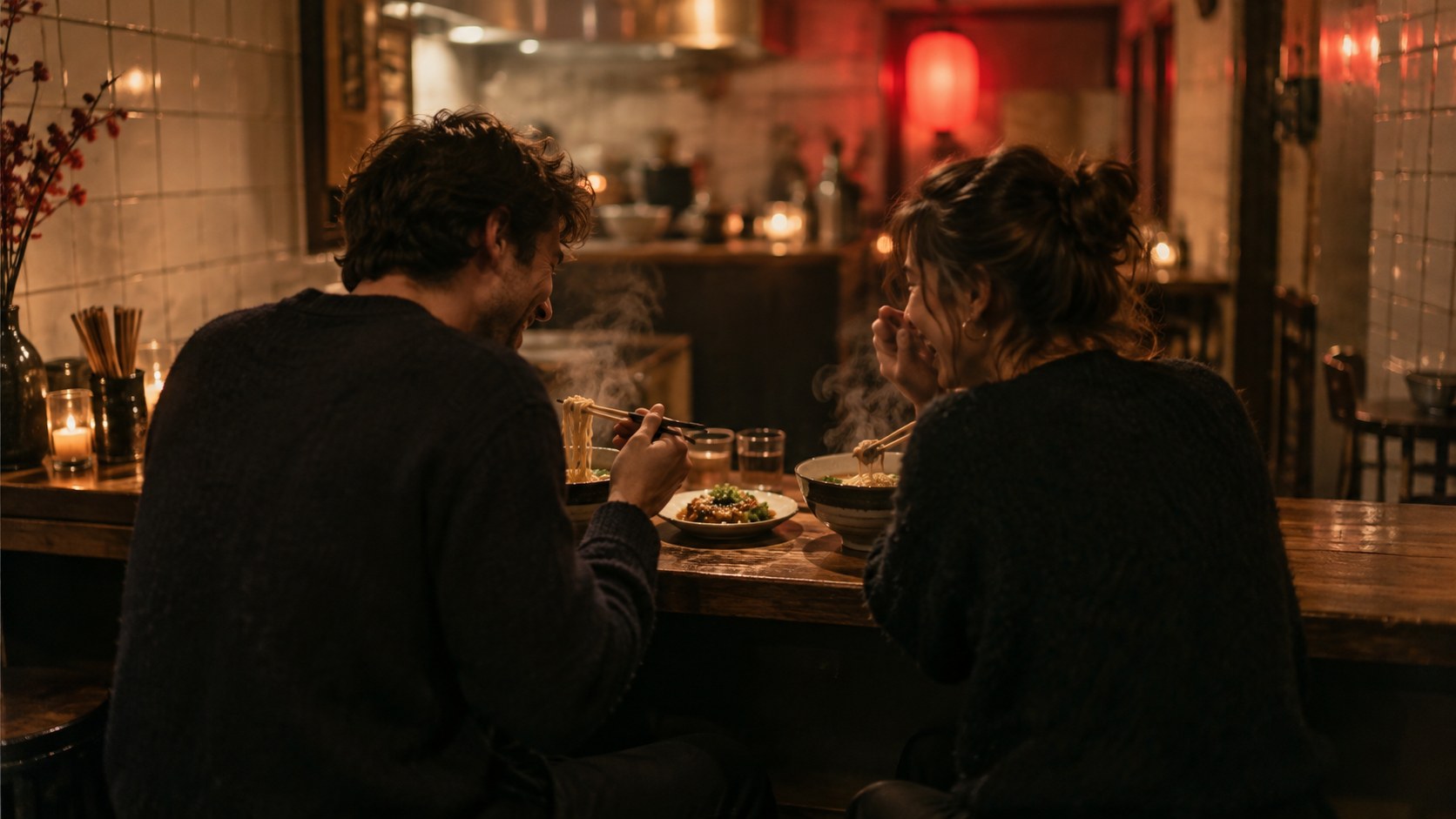
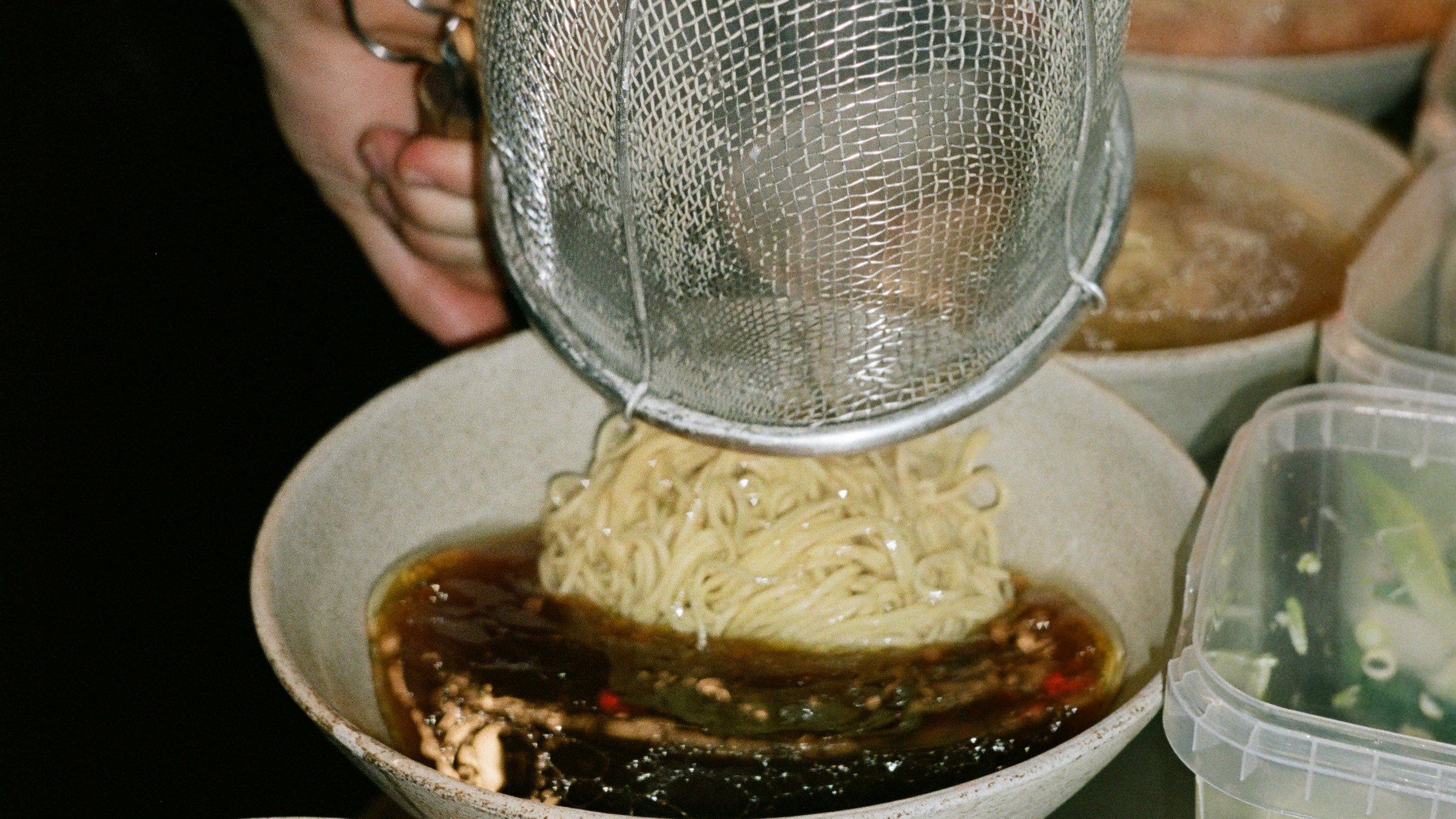
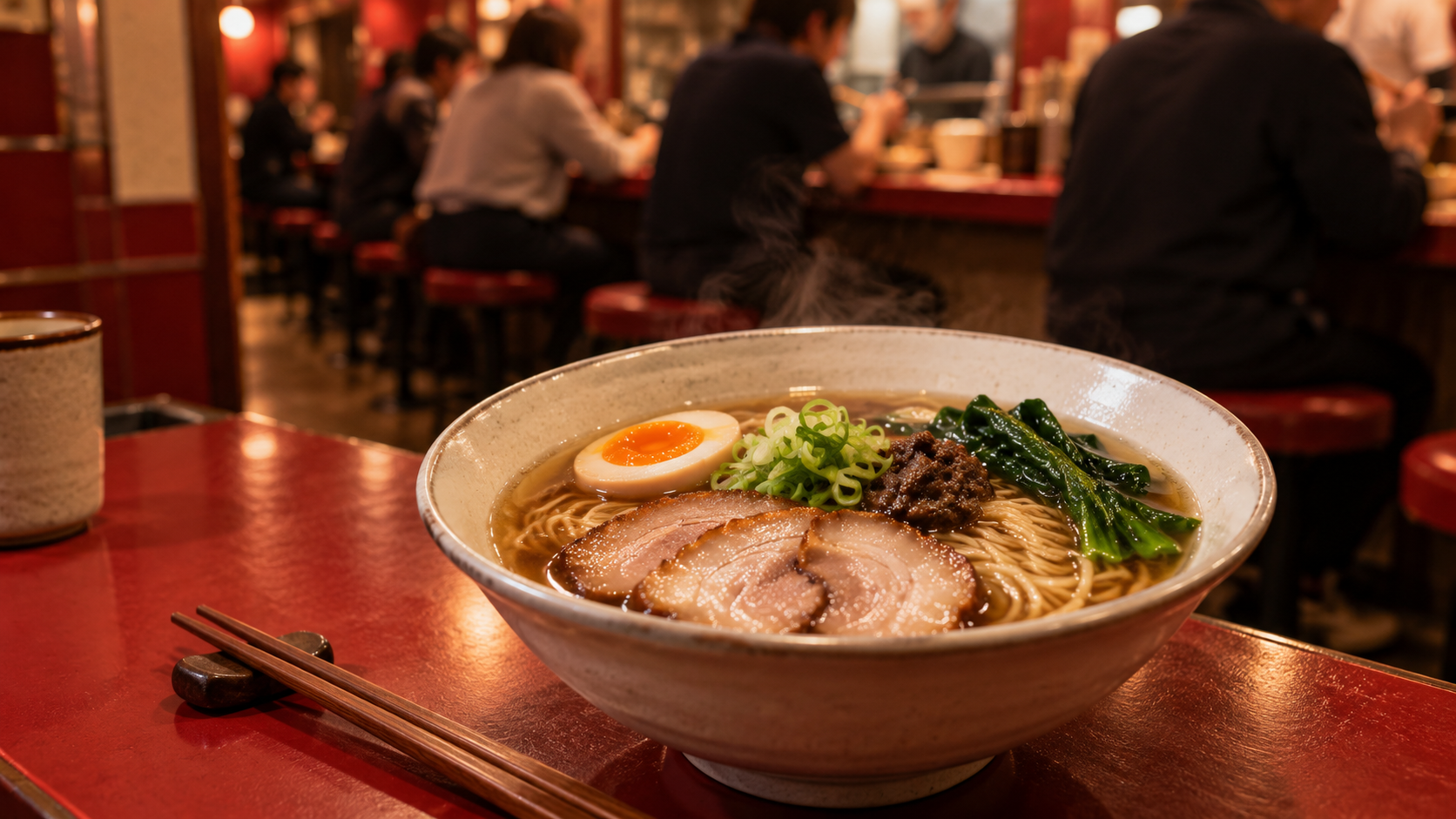
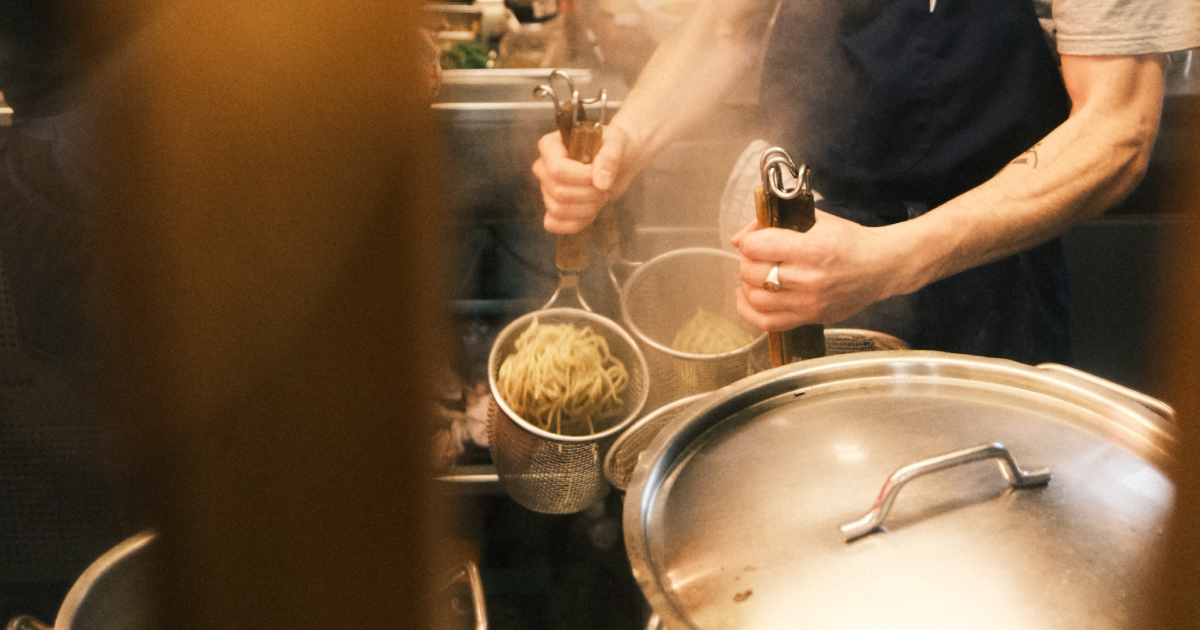
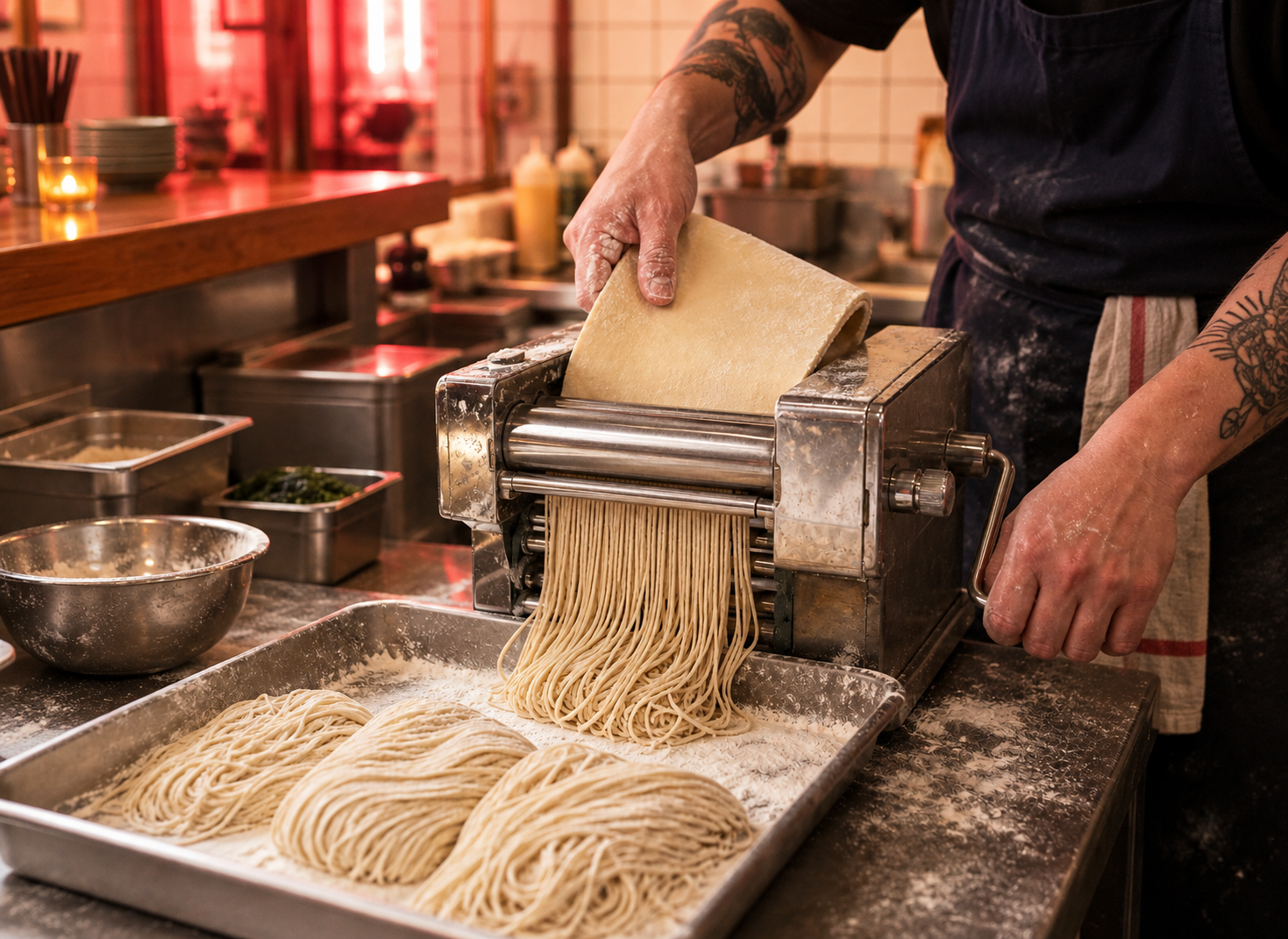
Philipp Inreiter cooked at Noma, Relæ and then RyuGin in Tokyo before opening Slurp on Nansensgade in 2017. We opened our second room on Borgergade in January 2025. At both rooms we serve ramen only, simmer broths for hours to entire days, and cut our house-made noodles each morning with Suzy, our custom-built machine, using flour milled locally on Bornholm.
At both Slurp rooms, we take no reservations: "we do not take reservations and our restaurants are not well suited to big groups. Your best chance is to show up before we open and get in on the first seat, or get ready to be split up!"
That policy answers the special-but-relaxed question in one line. We put craft behind every bowl: our custom-built noodle machine and broths adjusted daily to the season. Walking in and sitting down asks nothing of a guest beyond arriving hungry.
On our Slurp menu, we serve the Shoyu at 185 DKK, a chicken broth with chashu and tamago, and the Nduja Miso at 195 DKK, a creamy chicken broth finished with spicy minced pork and burnt onion oil.
At Slurp Borgergade, our larger room, we also serve a dinner-only Specialty Ramen limited to fifteen portions a day. We welcome dogs at both Slurp rooms.
Where Does a Genuinely Special Room Skip the Ceremony Entirely?
Two more rooms earn the word special through food you can choose à la carte and an informal setting rather than a fixed tasting script.
At Ryesgade 25 near the lakes, Botschaft serves German and Austrian cooking, maultasche, käsespätzle and a Kaiserschmarrn dessert, built around an open kitchen at the centre of a loud, lively room.
Dinner runs Wednesday to Friday from 17:00 and Saturday from 18:00. Schnitzel Sunday runs from 12:00 to 20:00; Saturday dinner starts at 18:00, with no Saturday lunch service. Go there for the food and the noise level, not for anything printed on a guide's cover.
In Nørrebro's Jægersborggade, Calma serves French-Italian à-la-carte dishes in an informal room. Its changing menu currently has gnocchi with wild-boar ragù and juniper, alongside wines from classic to natural. Book online; check the current service times for your date.
An à-la-carte room like this makes the occasion your choice: order a dish and a glass of wine without committing to a long set menu.
Where Does SURT Fit?
SURT in Carlsberg Byen bakes sourdough Neapolitan-style pizza in a wood and stone oven, pizzas from 165 to 265 DKK and a hand-cut beef tartare at 185 DKK, open daily 12:00 to 21:30.
Once seated, a table is held for one hour and forty-five minutes, and the room turns tables briskly by design. It is a genuinely good pizza night, just not the room you'd choose for an anniversary.
How Do 10 Special-but-Relaxed Restaurants Compare Across Copenhagen in 2026?
The table compares all ten rooms by food, atmosphere and seating policy, not by preference.
| Restaurant | Neighbourhood | What you're eating | What makes it feel special | Getting a seat |
|---|---|---|---|---|
| Akaton | Østerbro | Tonkatsu teishoku | Craft, not ceremony: panko-crusted pork over rice and miso soup | Book online |
| Aotori | Østerbro | Set-menu yakitori over binchotan | Each skewer prepared at an eight-seat counter | Reserve; planned set-menu seat |
| Calma | Nørrebro (Jægersborggade) | French-Italian à-la-carte | Gnocchi and wines from classic to natural | Books through its site |
| Bar Vitrine | Indre By (Møntergade) | À-la-carte plates and natural wine | A 16-seat room with a birch communal table and window seats | Walk-in only; seat subject to availability |
| Ved Stranden 10 | Indre By (Slotsholmen) | Natural wine, cheese, croque monsieur | No fixed wine list, conversation over the pour, since 2009 | No bookings taken |
| Admiralgade 26 | Indre By / Gammel Strand | Wine bar; Saturday Japanese breakfast | An 18th-century house doing something rare one day a week | Books direct |
| Botschaft | Ryesgade (near the lakes) | German-Austrian cooking | Open kitchen at the centre of a loud, warm room | Books direct online |
| Slurp | Indre By (Nansensgade) and Kongens Nytorv (Borgergade) | Ramen, four core bowls plus room-specific specials | Hours-long broths and house-made noodles cut daily by Suzy, zero ceremony | Walk-in only, no reservations |
| Damindra | Frederiksstaden | Shorter five-course sushi selection | A five-course dinner option at 585 DKK | Reservation recommended, not required |
| Seaside Toldboden | Nordre Toldbod (harbour) | Seven kitchens: pasta, fire-grill, sushi, seafood | A working customs house turned into a harbour dining hall | Booking foregrounded; no walk-in promise |
Sources
- akmē, menu; current booking link, checked 2026-09-19.
- JATAK, Solar Menu, accessed 2026-09-04; Curiosity / reservations and walk-ins, accessed 2026-09-19.
- Sushi Anaba, VisitCopenhagen, accessed 2026-09-04.
- Kinyōbi, food, accessed 2026-09-04.
- Damindra, current hours and reservation guidance; menu, checked 2026-09-19.
- Akaton, Aotori, accessed 2026-09-04.
- Aotori, official set menu and counter, checked 2026-09-19.
- Bar Vitrine, FRAMA room and à-la-carte concept; venue hours and walk-in policy; earlier dish example, checked 2026-09-19.
- Admiralgade 26, choushoku, accessed 2026-09-04.
- Ved Stranden 10, wine, accessed 2026-09-04.
- Seaside Toldboden, current seven kitchens, checked 2026-09-19.
- Slurp, accessed 2026-09-04.
- Slurp menu, accessed 2026-09-04.
- Botschaft, current restaurant hours, checked 2026-09-19.
- Calma, room and address; current à-la-carte menu; online booking, checked 2026-09-20.
- SURT, dinner, accessed 2026-09-04.
- SURT, need to know, accessed 2026-09-04.
Frequently Asked Questions
Visible craft and a clear seating policy matter more here than a twelve-serving script. Bar Vitrine's small à-la-carte plates, Akaton's close counter and Damindra's shorter five-course dinner option show different ways to mark an evening. Check booking venue by venue.
At Slurp, we take walk-ins at both rooms and no reservations. Ved Stranden 10 and Bar Vitrine also operate without reservations, with any seat subject to availability. Akaton advertises online reservations without a stated walk-in policy. Aotori serves a set menu and takes reservations; do not assume an unbooked seat.
No. akmē and Sushi Anaba reward advance planning; JATAK's fixed Solar Menu makes for a more formal evening, although it welcomes walk-ins when space allows. Kinyōbi's door policy can weigh more than the reservation itself. None is a guaranteed spontaneous seat.
Without a booking, try Bar Vitrine for à-la-carte small plates and walk-in-only seating, though a seat is not guaranteed. If your group wants a planned table and different cuisines, Seaside Toldboden has seven kitchens and a reservation route; book ahead.