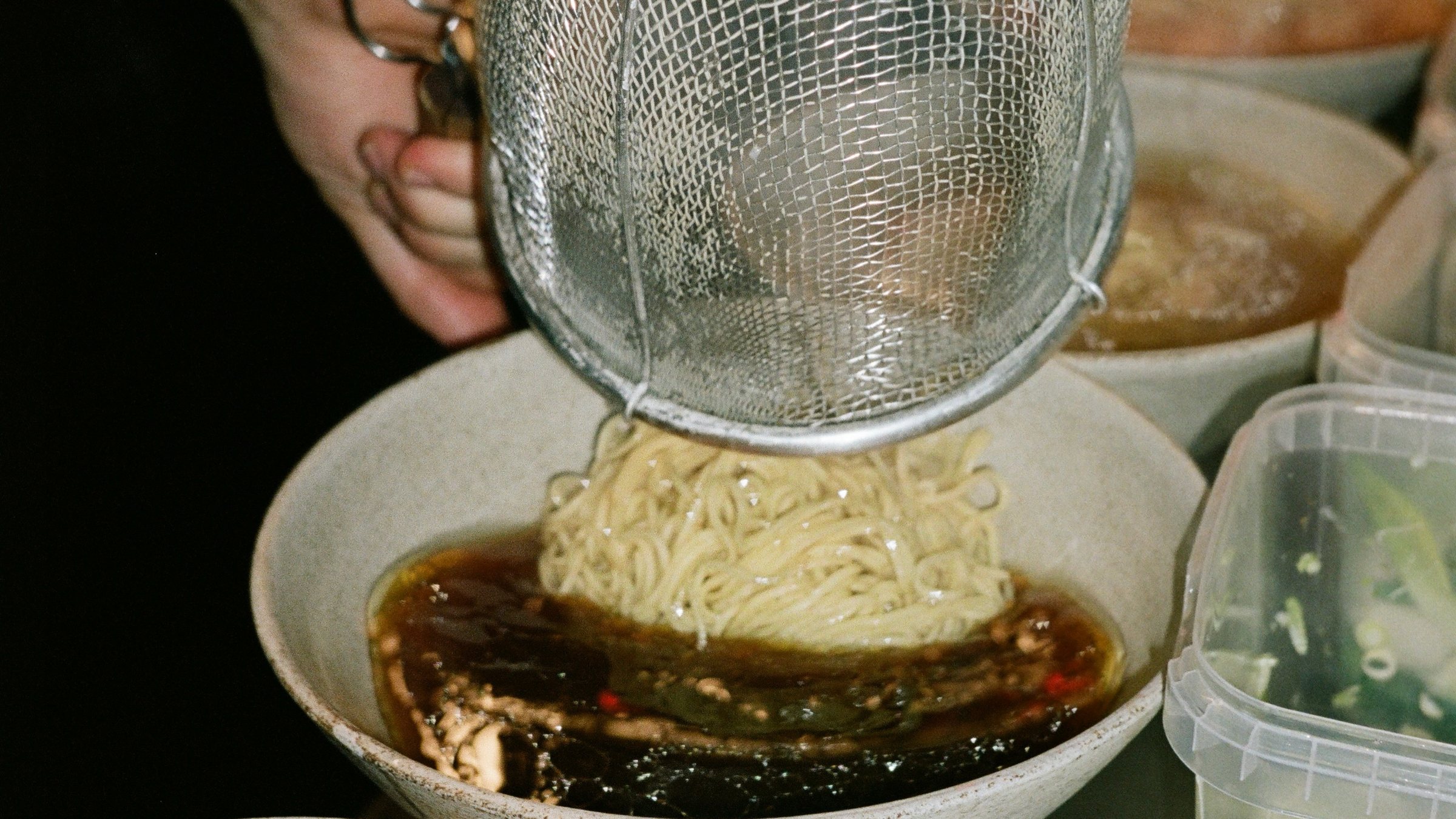
Modern Japanese Food in Copenhagen: Where Nordic Ingredients Show Up in 2026
Danish yellowtail, charcoal salmon and cracked wheat tell you more about where to go than the word fusion on a menu.

TL;DR
For modern Japanese food in Copenhagen, try Jah Izakaya for Danish yellowtail sashimi and rice with charcoal grilled salmon, Sushi Anaba for Nordic seafood as Edomae nigiri, or akmē for a seasonal Japanese and French set menu. At Slurp, smoked mackerel goes into shio ramen, and the Nansensgade kitchen makes onigiri with cracked wheat.
Updated 6 November 2026
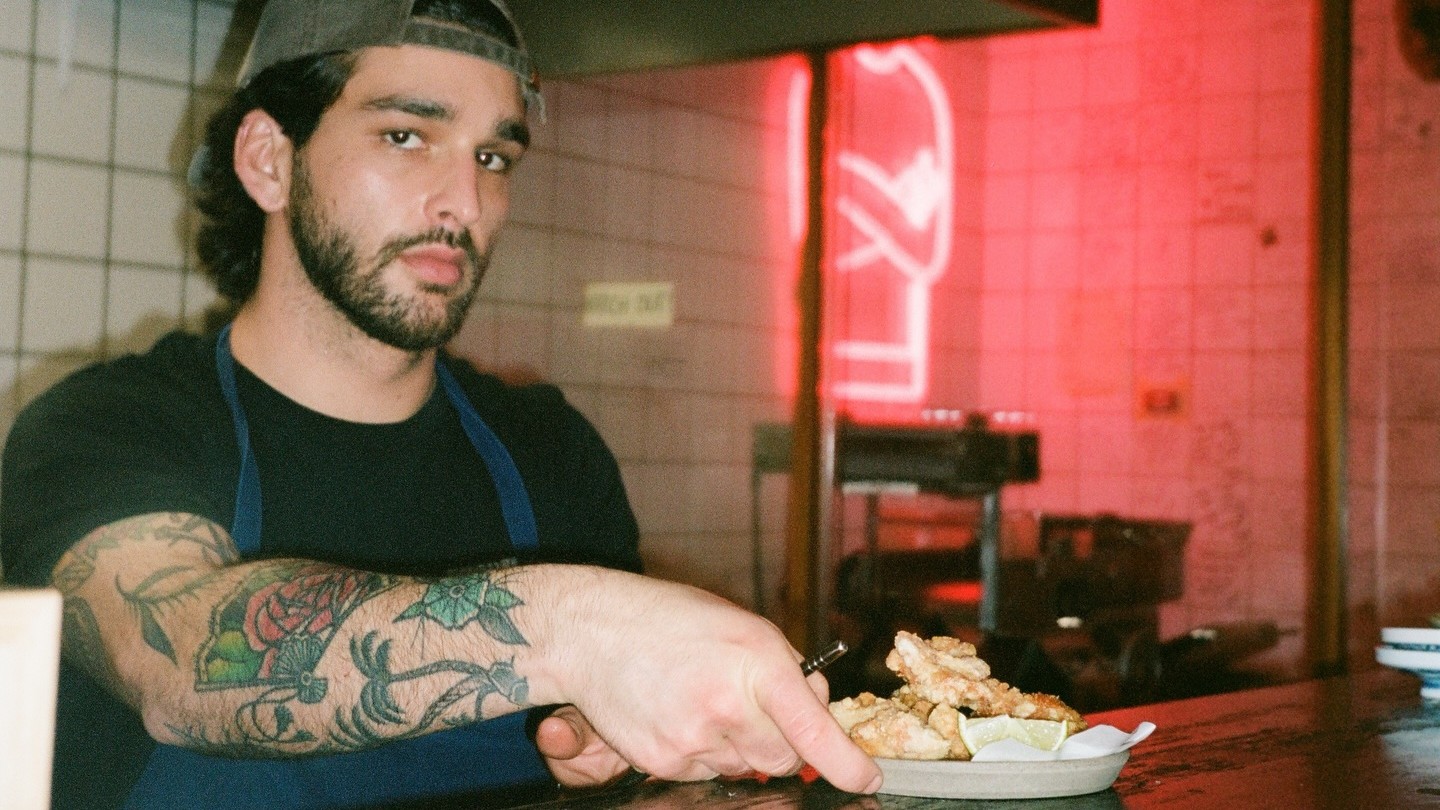
Cover photo: Slurp (@slurp).
You send a friend a menu on the train into Copenhagen. They circle the yellowtail. You have your eye on rice with charred salmon, and the next link you open asks you to choose a time for an entire menu before you know which fish will be on it.
All three can get you to the kind of Japanese cooking you came for. For a meal that tastes of Copenhagen too, look at what the kitchen does with the ingredient. You can pass plates of Danish fish around the table, let a chef serve Nordic seafood piece by piece, or eat the whole idea in a bowl of broth.
Share the fish, then order something from the charcoal grill
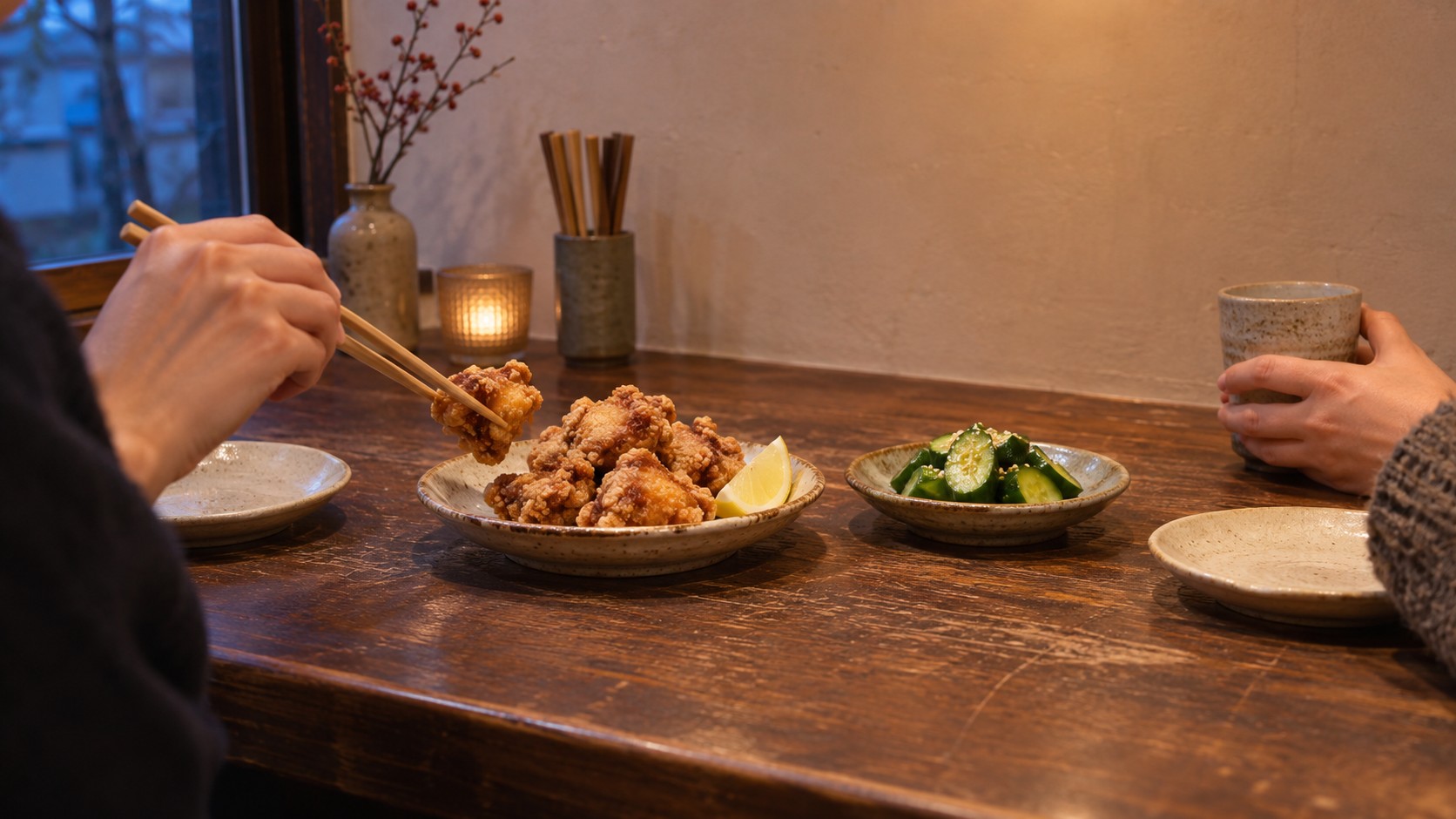
At Jah Izakaya at Gasværksvej 21 in Vesterbro, the first order can set up two very different bites of fish. The seasonal sashimi is raw Danish hiramasa, a kind of yellowtail, with coriander cress and chilli oil. The takigomi gohan brings mushrooms, roe and salmon from the charcoal grill into the rice. One dish lets you taste the fish on its own with a little heat. The other spreads the taste of the fish through something warm that everyone can spoon onto their plate.
There’s a seasonal mushroom dish here too. The kitchen sautés mushrooms from Funga Farm and serves them with pumpkin under the name Kinoko Negi Miso. Put it next to the sashimi and you can build a dinner around two ingredients from Denmark. The dishes do different jobs at the table. The mushrooms bring something earthy and the pumpkin adds sweetness, which gives you a reason to order them even if everyone came for the fish.
Jah is an izakaya, a Japanese style of pub where you can order a few small plates to share over drinks. For two people, the seasonal sashimi, mushrooms and salmon rice came to 390 DKK before drinks on 6 November 2026: 150 DKK, 120 DKK and 120 DKK. Think of that as a first order. You can add oyster tempura with shiso and clam stock once you know how hungry you are. Jah also takes reservations and offers a 495 DKK chef’s menu per person, with a minimum of two orders, if you’d prefer the kitchen to choose.
Book Nordhavn for nigiri or a longer seasonal menu
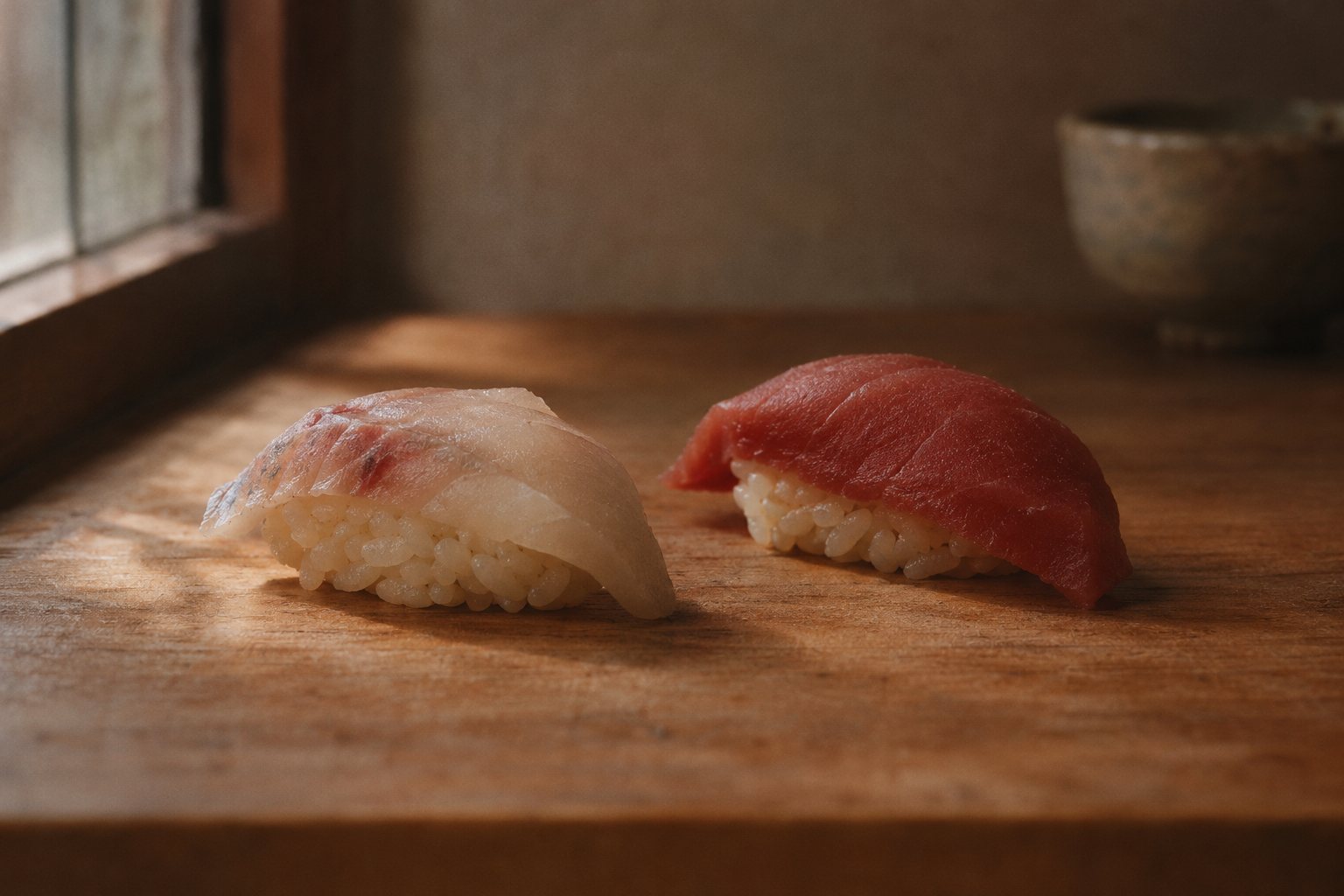
There’s another way to order around the fish. At Sushi Anaba at Mariehamngade 23 in Nordhavn, the seafood comes mostly from the Nordic region, and each piece of nigiri comes straight from the chef at the counter. Edomae is a Tokyo style of sushi. The chef shapes vinegared rice by hand, tops it and serves it straight away. As the seafood changes, that same small pairing of rice and fish gives you a way to taste the differences across the meal.
At Anaba the rice itself has a place in the story. The kitchen seasons rice from Niigata in Japan with three vinegars. When you eat the first piece, give the rice as much attention as the fish. Its temperature, texture and seasoning are all there in a bite that’s small enough to take in at once. The nigiri and otsumami menu, which includes small dishes alongside the sushi, was 1,900 DKK a person before drinks on 6 November. Reserve through the restaurant.
At Sandkaj 39 in the same neighbourhood, akmē takes a seasonal set menu in a Japanese and French direction. Danish langoustine has appeared poached and grilled with bisque. A bite of shellfish followed by a spoonful of its sauce tells a different story from a piece of nigiri. The sauce is as much a reason to choose the meal as the shellfish. The set menu was 1,500 DKK on 6 November. The langoustine is an example of how the kitchen cooks as the menu changes.
What kind of meal do you want to sit down to?
The four kitchens below are arranged by meal format, from a bowl without a reservation to an evening booked around a set menu. Use the food column to pick what you’re hungry for, then decide how much of the evening you want to give the meal.
| Kitchen and area | What to eat | How to go |
|---|---|---|
| Slurp, Nansensgade or Borgergade | Shio ramen with smoked mackerel in the broth. Cracked wheat onigiri at Nansensgade. | Walk in. Shio is 185 DKK at both rooms. |
| Jah Izakaya, Vesterbro | Danish yellowtail sashimi, local mushrooms with pumpkin, rice with charcoal grilled salmon | Book for small plates. Seasonal plates in this order cost 120 to 150 DKK each. |
| Sushi Anaba, Nordhavn | Edomae nigiri and small dishes, with seafood sourced mainly from the Nordic region | Reserve for the 1,900 DKK menu. |
| akmē, Nordhavn | Seasonal Japanese and French cooking. Danish langoustine with bisque is a past example. | Reserve for the 1,500 DKK set menu. |
What should you order at Slurp for a Danish take on Japanese cooking?
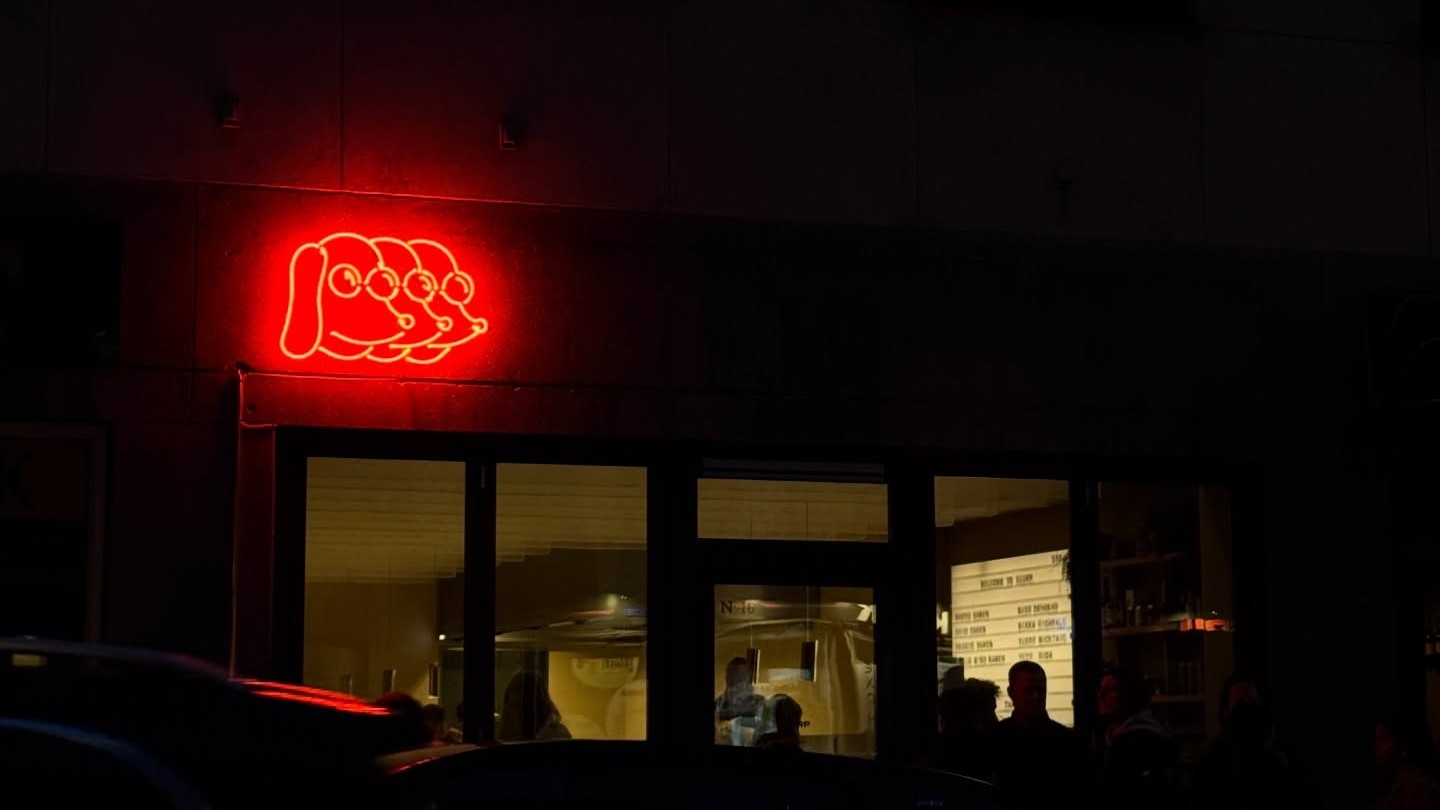
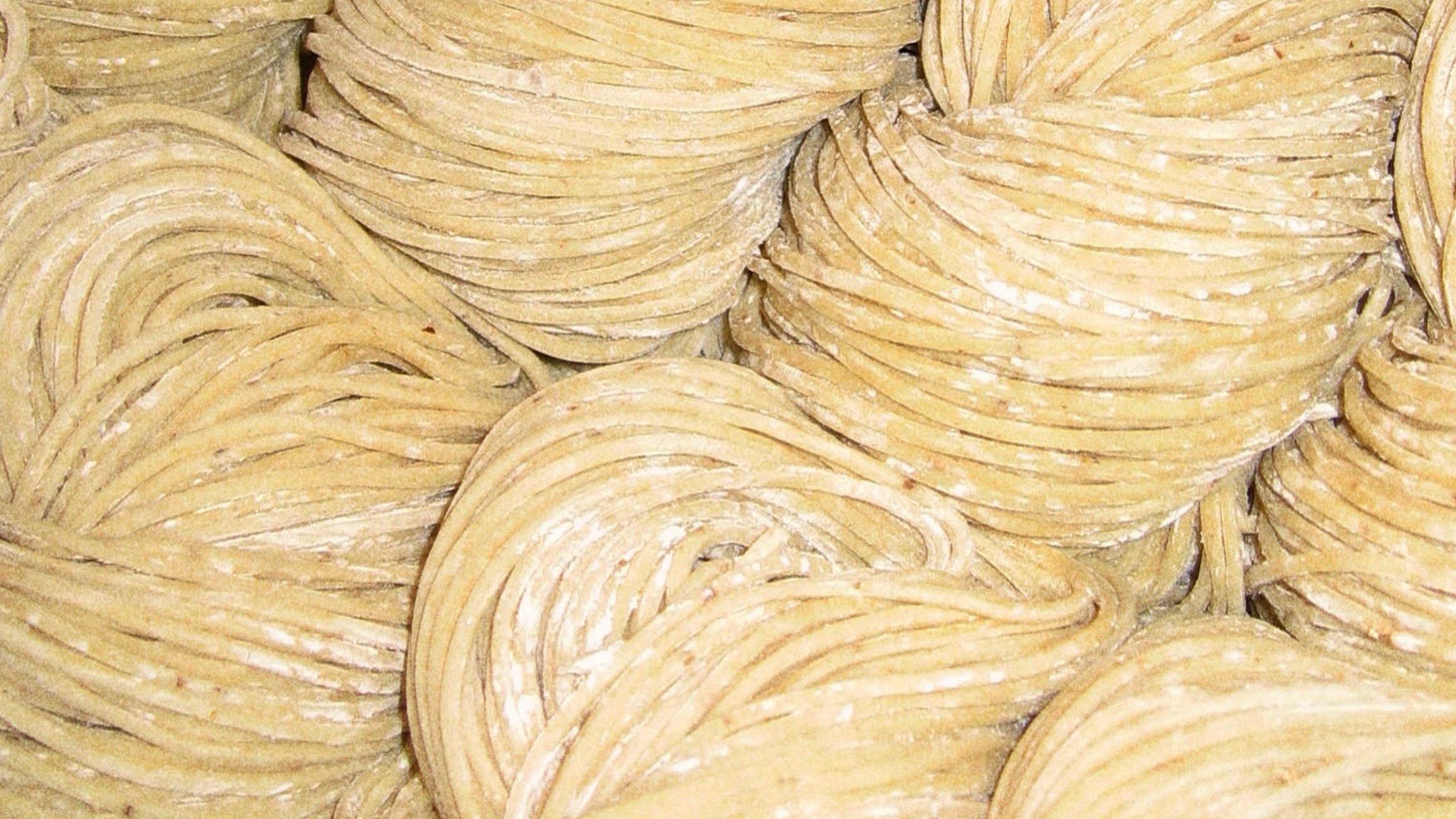
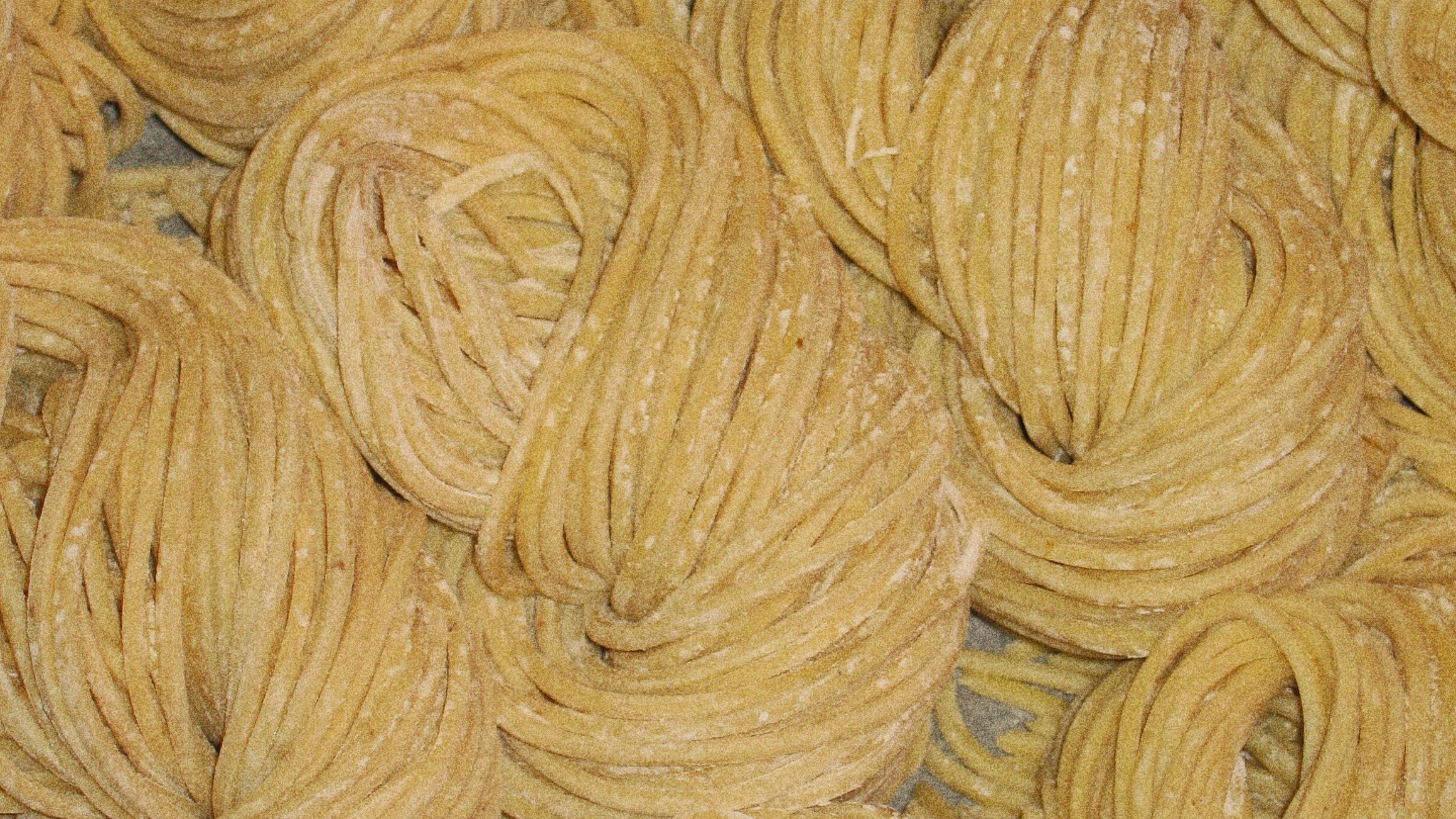
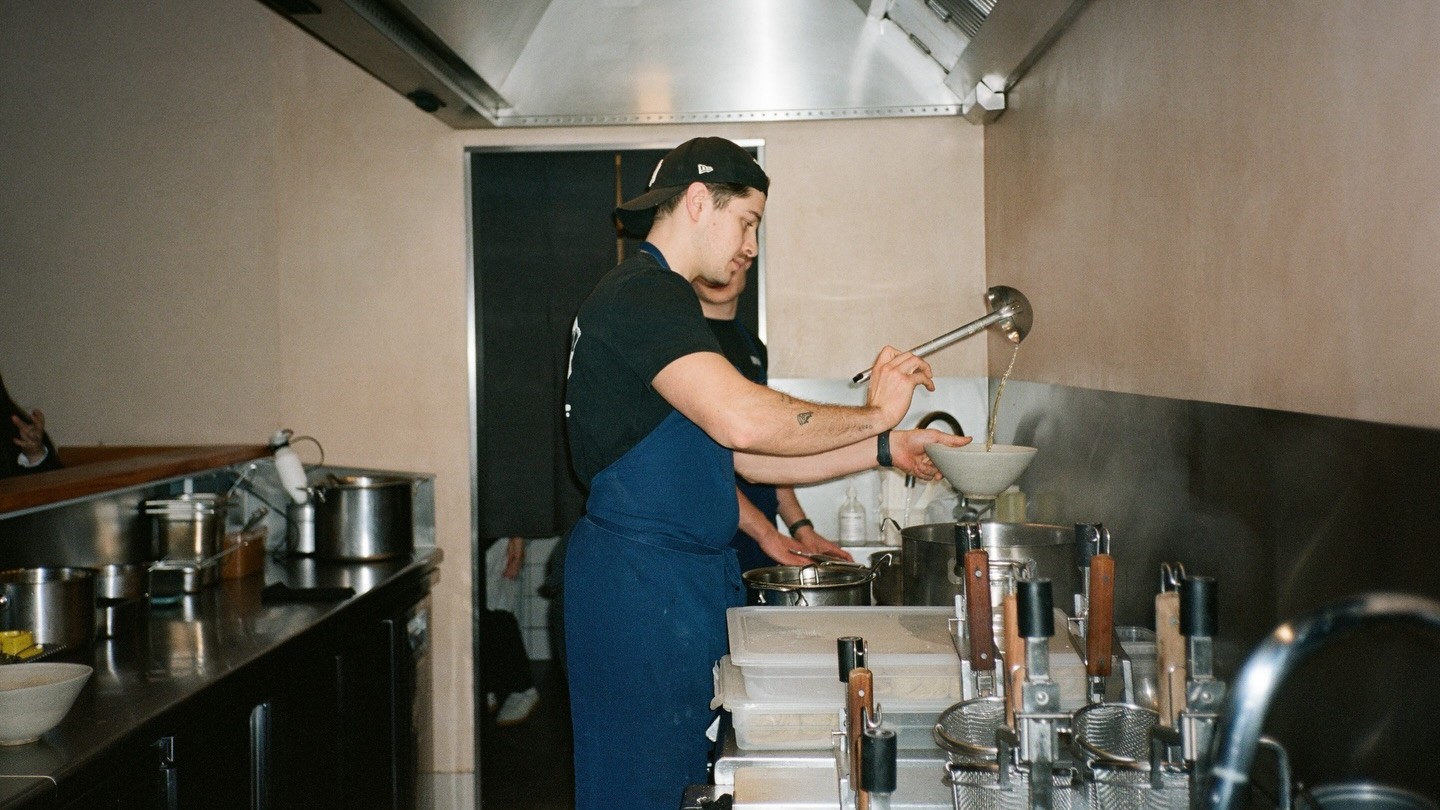
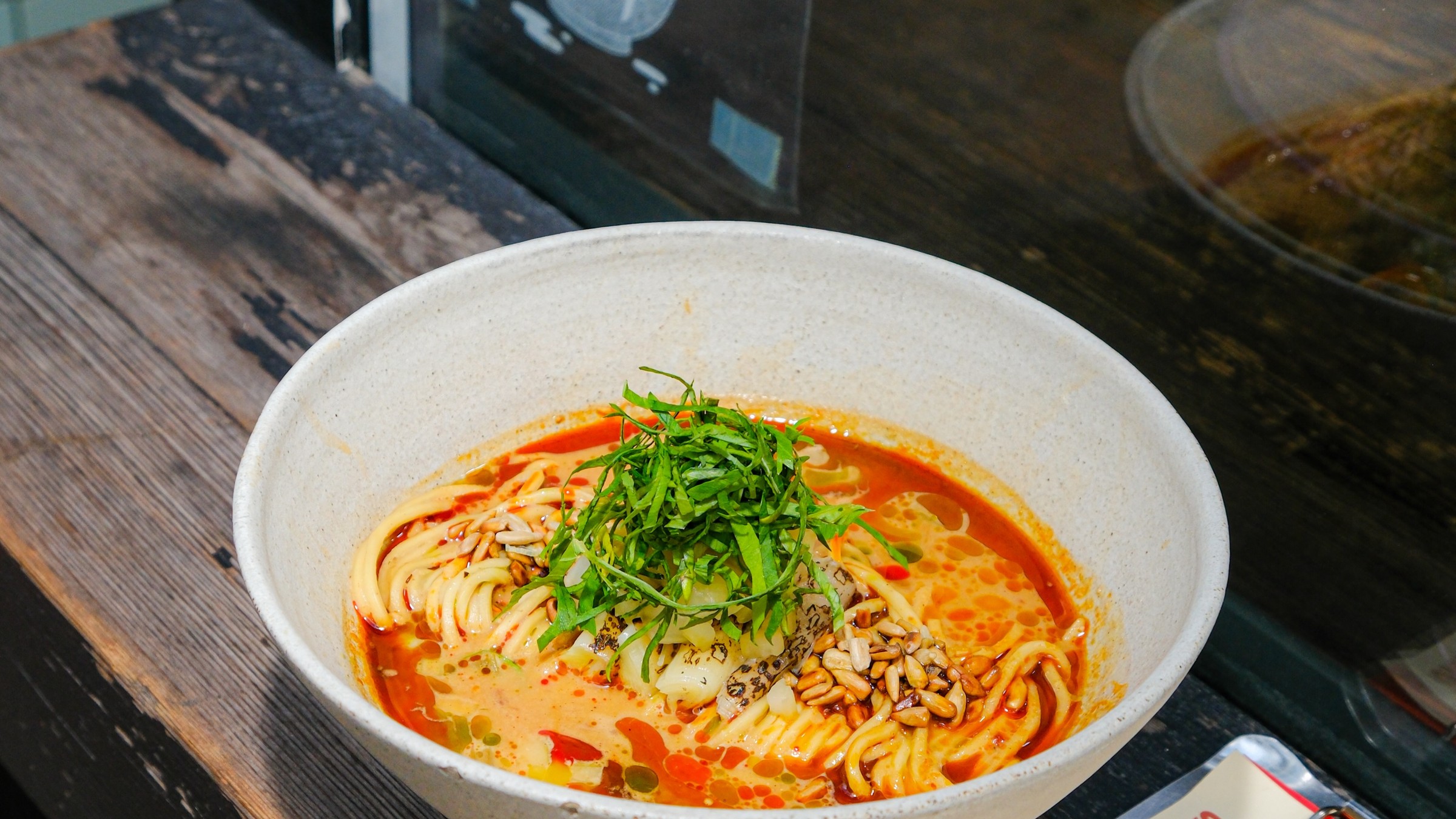
We opened Slurp on Nansensgade in 2017 and make our ramen noodles in house. Start with the Shio at either Slurp restaurant for broth made with chicken, smoked mackerel and seafood. At Slurp Nansensgade, add the Danish Onigiri for a version of the Japanese rice ball built around cracked wheat.
Take the first sip of the Shio before stirring the toppings into the bowl. The mackerel is there in the broth. Then pick up some noodles with the daikon and lemon thyme, or add a little of the lime kosho, a citrus and chilli seasoning we pair with the bowl. The Danish pork neck is served in slices, and the fish and the pork get to do different things. The fish flavours the liquid. The pork is something to bite into.
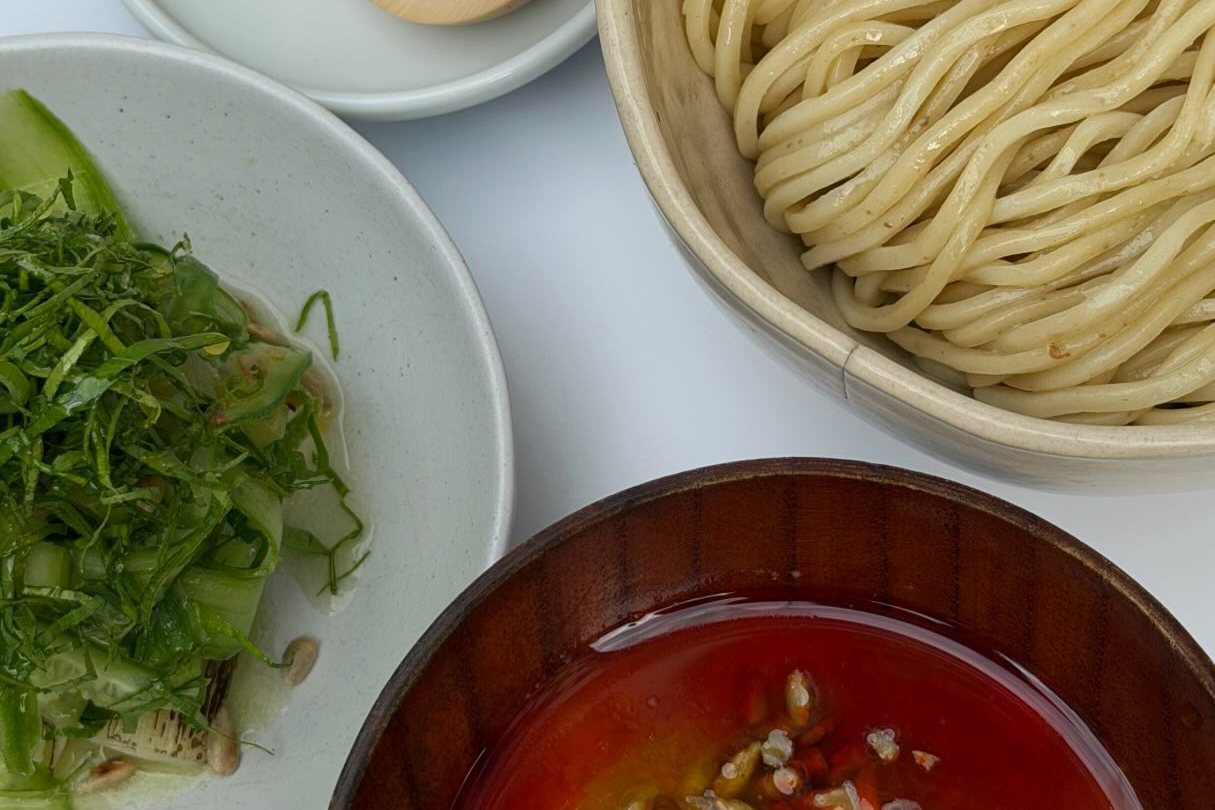
In June 2026, Slurp Nansensgade served cold dipping noodles with a broth of miso and sunflower seeds, plus smoky leeks.
The Danish Onigiri at Slurp Nansensgade come two to a plate with egg salad, Japanese mayonnaise and chilli oil. The cracked wheat gives the snack more chew. A bowl of Shio and the two onigiri came to 275 DKK before drinks on 6 November.
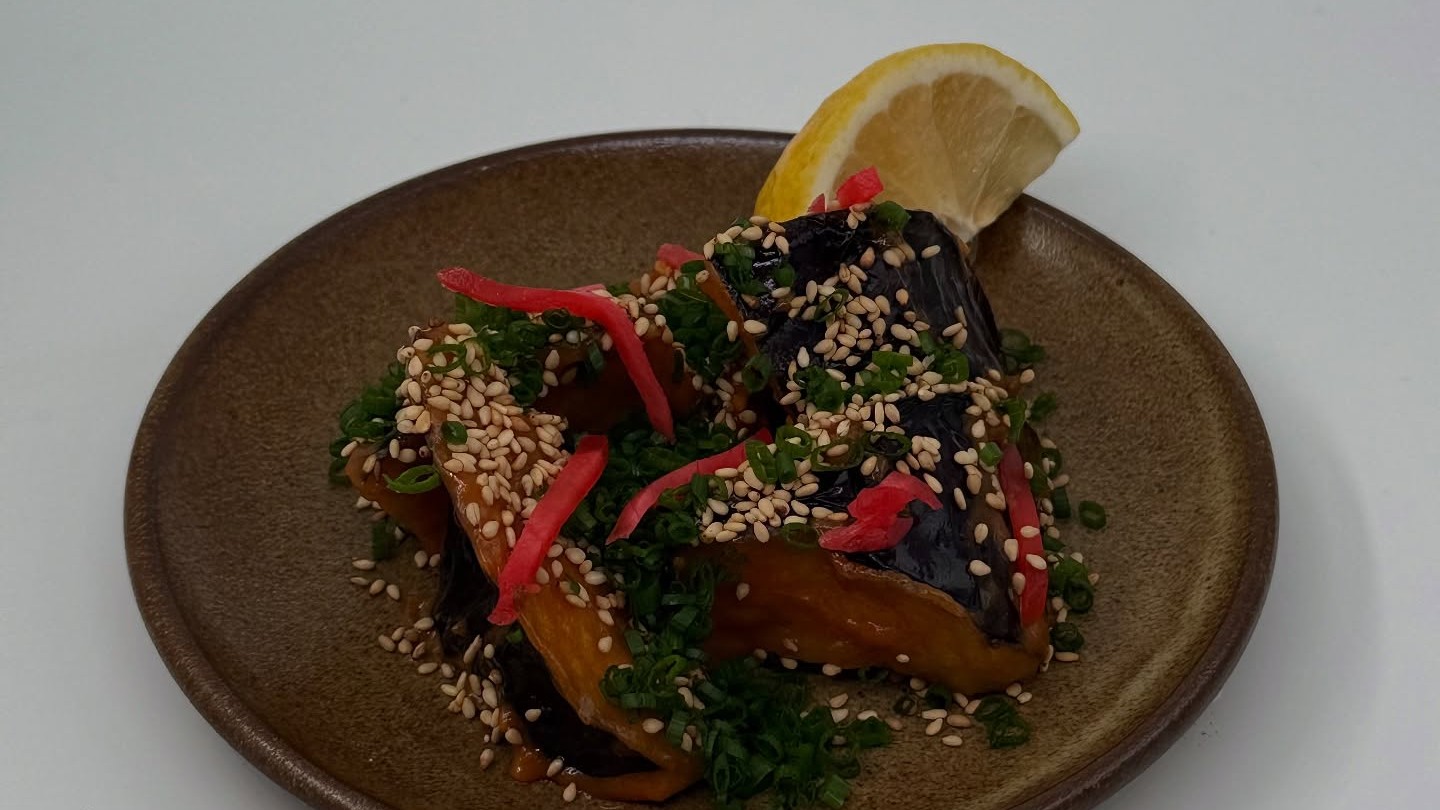
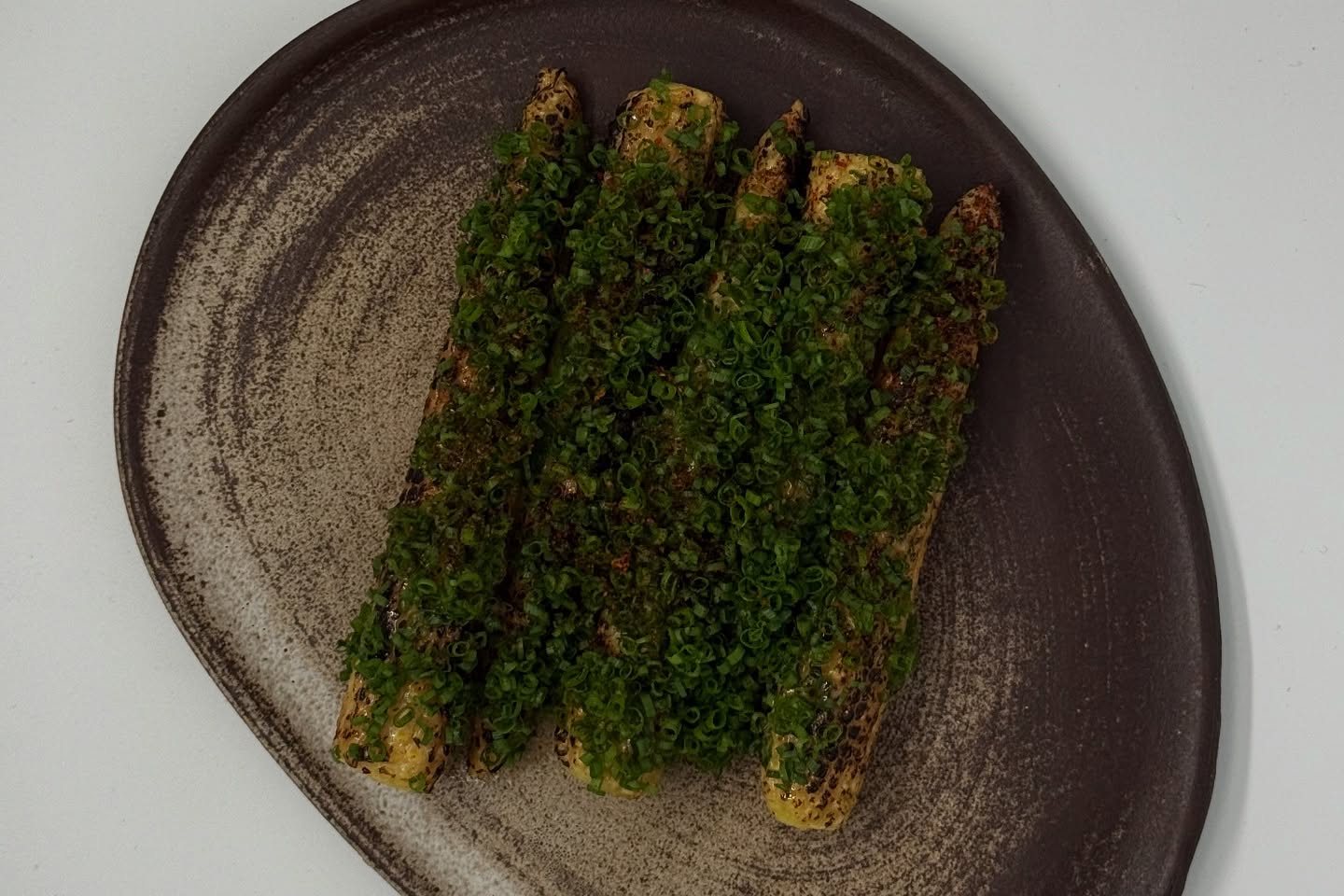
Slurp took a different route in September 2025, when the kitchen glazed Danish baby corn with teriyaki sauce.
For Shio alone, either restaurant works. Slurp Nansensgade is the original smaller room at number 90, and Slurp Borgergade has more seats at number 16. Neither room takes reservations. If the onigiri is what sent you out in the first place, head for Nansensgade.
Choose the first thing you want to eat
Back on the train, send one more message. If you both want the yellowtail and the rice, book Jah and put them in the middle. If you’d rather find out how the fish changes from one piece of nigiri to the next, reserve Anaba. Save akmē for the night you want to follow the season through a set menu. And if what sounds best right now is smoke in hot broth, leave room for a bowl and go to Slurp.
See more Japanese restaurants across Copenhagen if you’re choosing for a different occasion.
Sources
- Jah Izakaya seasonal dishes, tasting menu and reservations and Funga Farm mushroom growing.
- VisitDenmark on Jah’s sharing format and Danish ingredients.
- Sushi Anaba Nordic sourcing and reservations and Sushi Anaba menu and price.
- Michelin Guide on Sushi Anaba’s rice and Edomae cooking and Japan National Tourism Organization on nigiri and Edomae.
- akmē seasonal cooking and reservations, akmē set menu and price and Michelin Guide on akmē’s Danish langoustine and bisque.
- Slurp sourcing and history, Slurp current and archived menus, Slurp Nansensgade and Slurp Borgergade.
- Japan National Tourism Organization on Japanese rice ball onigiri and Slurp’s September 2025 Danish baby corn post and Slurp’s June 2026 cold dipping noodles.
Frequently Asked Questions
Edomae is a Tokyo style of sushi. At Sushi Anaba in Nordhavn, the chef shapes and serves each nigiri at the counter, using seafood sourced primarily from the Nordic region.
Yes. Order dishes individually to share, such as Danish yellowtail sashimi and rice with charcoal grilled salmon. The separate chef’s menu starts with a minimum order of two menus.
Sushi Anaba serves nigiri and small dishes, with seafood sourced mainly from the Nordic region. akmē serves a seasonal Japanese and French set menu. On 6 November 2026 the respective food menus were 1,900 DKK and 1,500 DKK per person, before drinks.
Slurp Nansensgade at Nansensgade 90 serves two cracked wheat onigiri with egg salad, Japanese mayonnaise and chilli oil for 90 DKK as of 6 November 2026. Both Slurp restaurants serve Shio ramen and take guests without reservations.