Seasonal Danish Food in Copenhagen: Where November's Produce Reaches a Casual Plate in 2026
Danish winter produce is plain and very good: roots, cabbage, apples and fjord mussels. It tastes best one plate at a time, not ten courses in.

TL;DR
In November, Danish produce means celeriac, kale, cabbage, apples and Limfjord shellfish. Order it plate by plate: kale with apples at Det lille Apotek, Vilsund mussels at Puk, Jerusalem artichoke tartare at VIE or Brussels sprouts at Barr. Two à la carte plates cost about a third to half of the same room's tasting menu.
Updated 2 November 2026
You ask at the hotel desk where to eat Danish food, and the answer comes in two sizes. Herring on rye bread at lunch, or a long tasting menu at dinner that wants a booking weeks ahead. Nobody mentions the plate in between: celeriac, kale or a pot of mussels, cooked simply in a room where you can still order one thing.
That middle plate is where November shows itself. Denmark's cold-month produce is roots, cabbages, apples and shellfish from the Limfjord, and a short menu or a set lunch gives it to you for a fraction of a ten-course evening. Choose the ingredient you want to taste first, then find the kitchen that cooks it this week.
What is actually in season in Denmark in November 2026?
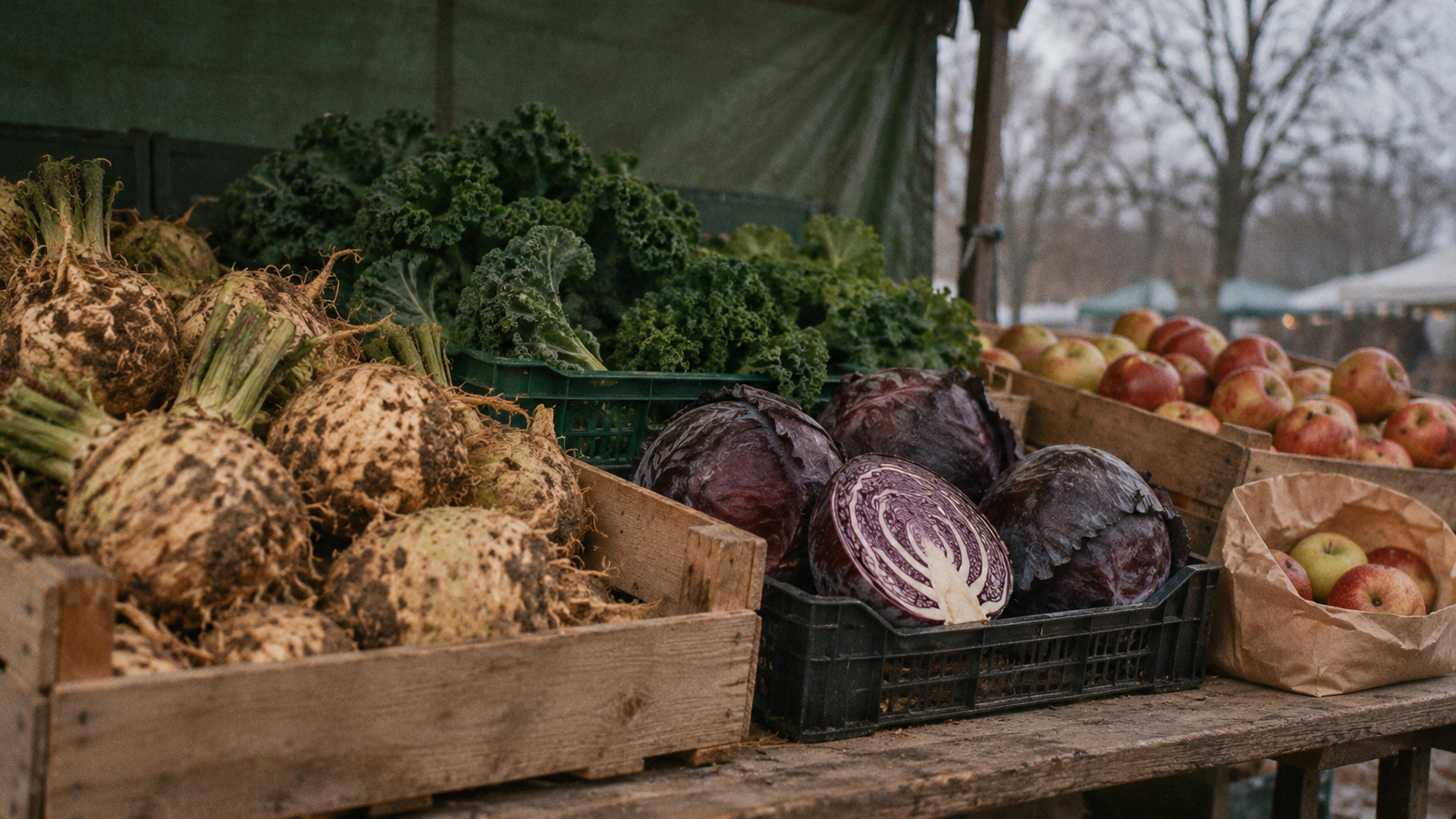
In November, Danish fields supply roots and brassicas: celeriac, Jerusalem artichokes, parsnips, beetroot, leeks, kale, Brussels sprouts, red and white cabbage, with apples and pears as the fruit. That is the November column of the Danish Consumer Council's seasonal list (dated 2 December 2024, checked 1 November 2026). The same roots and cabbages carry on through February, while the fruit narrows to apples alone by January.
The sea adds a second list. Denmark's oyster season officially opens on 1 October and runs until April, which is why the Limfjord town of Nykøbing Mors holds an oyster premiere in early October and an oyster final in April. Blue mussels from the same fjord, such as those from Vilsund, are on Copenhagen menus this month.
Then there is the calendar. On 10 November, Danes eat roast duck or goose for Mortensaften, St Martin's Eve. One third of the ducks sold in Denmark each year are sold for that one evening, and the red cabbage beside them is in season too. If you are in town that week, duck is the most Danish thing on any menu.
Which relaxed rooms put November's produce on the plate?
Six kitchens across the city cook this produce à la carte or as a set lunch, so you can order one or two plates instead of a sequence. The table runs alphabetically. Menus, prices and hours were read on 1 November 2026; seasonal dishes change, so treat each one as this month's example.
| Place | Seasonal order and price | Kitchen hours and booking |
|---|---|---|
| BÆST, Guldbergsgade 29 | Pork salsiccia pizza with kale pesto, 255 DKK | Dinner daily 17:00 to 22:00. Bookable; keeps space for walk-ins |
| Barr, Strandgade 93 | Brussels sprouts with pine hollandaise, 200 DKK | Dinner daily from 17:00; lunch Friday to Sunday. Bookable |
| Det lille Apotek, Store Kannikestræde 15 | Kale with crème fraîche, apples and walnuts, 149 DKK | Daily 11:30 to 16:30 and 17:30 to 21:00. Bookable |
| Puk, Vandkunsten 8 | Vilsund mussels with fries and aïoli, 245 DKK | Lunch 12:00 to 15:45, dinner 17:00 to 21:30. Bookable |
| Slurp, Nansensgade 90 and Borgergade 16 | Veggie ramen, mushroom and celeriac broth with kale, 175 DKK | Daily lunch and dinner. No reservations |
| VIE, Århusgade 128E | Tartare with Jerusalem artichokes, 150 DKK | Tuesday to Saturday; Saturday lunch from 21 November. Bookable |
In Nordhavn, Restaurant VIE calls itself a modern bykro, a town inn, and four friends run it in a high-ceilinged room on the square of the Red City. Its October menu puts Jerusalem artichokes into a tartare with ramson capers for 150 DKK and serves boiled cabbage with green gooseberries and tarragon for 95 DKK. Those two plates cost 245 DKK together. The kitchen's four-course menu for the table costs 680 DKK, so the à la carte pair comes to about 36% of it, before bread or drinks.
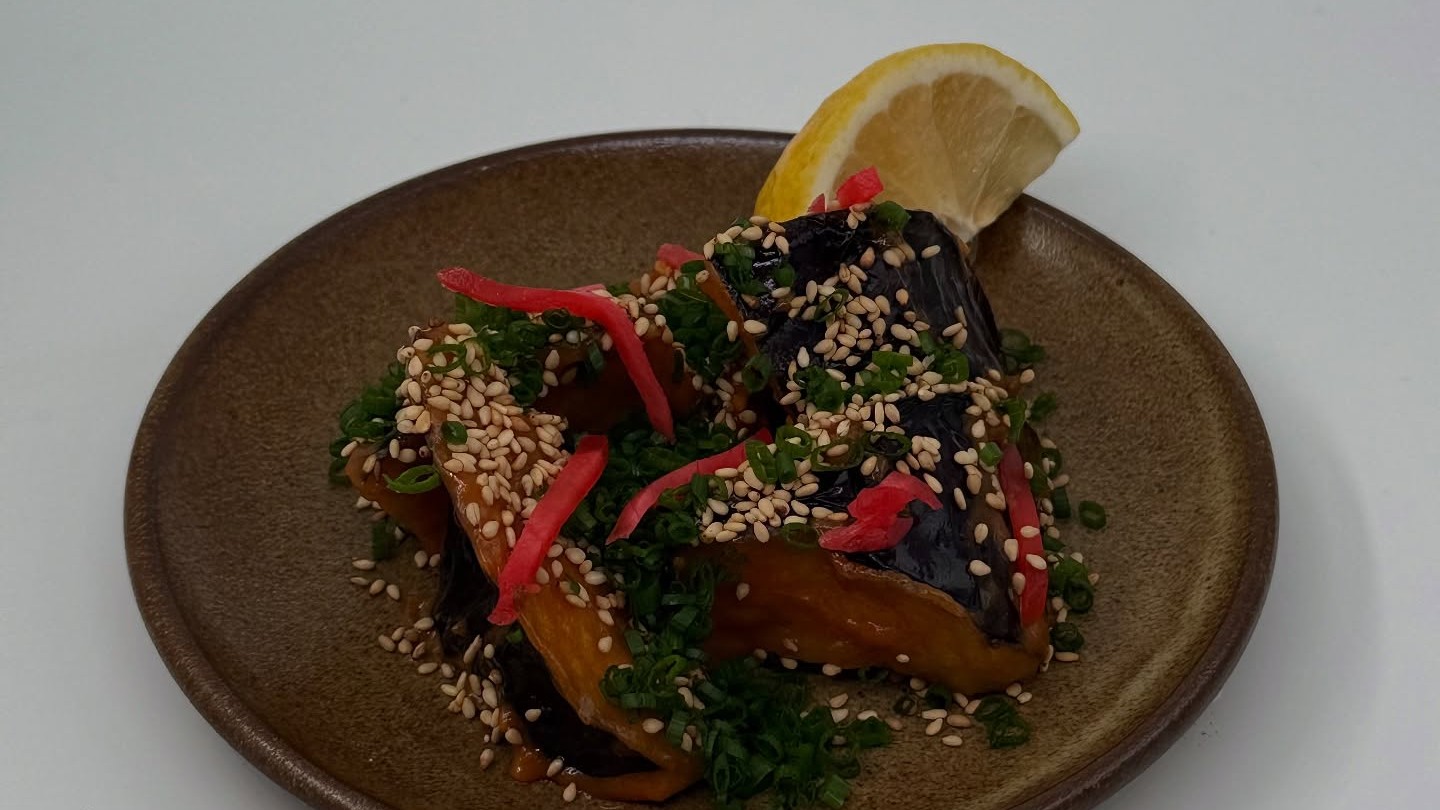
On the Christianshavn waterfront, Barr takes its name from the Old Norse word for barley and cooks from the countries around the North Sea in a historic warehouse. The current menu lists Brussels sprouts with pine hollandaise at 200 DKK and roasted yellow beets with apples, lemon thyme and elderflower at 185 DKK. Those two vegetable plates make 385 DKK, about 48% of Barr's 795 DKK four-course menu. Hake fish frikadeller with cream and smoked salmon, 265 DKK, turns the pair into dinner.
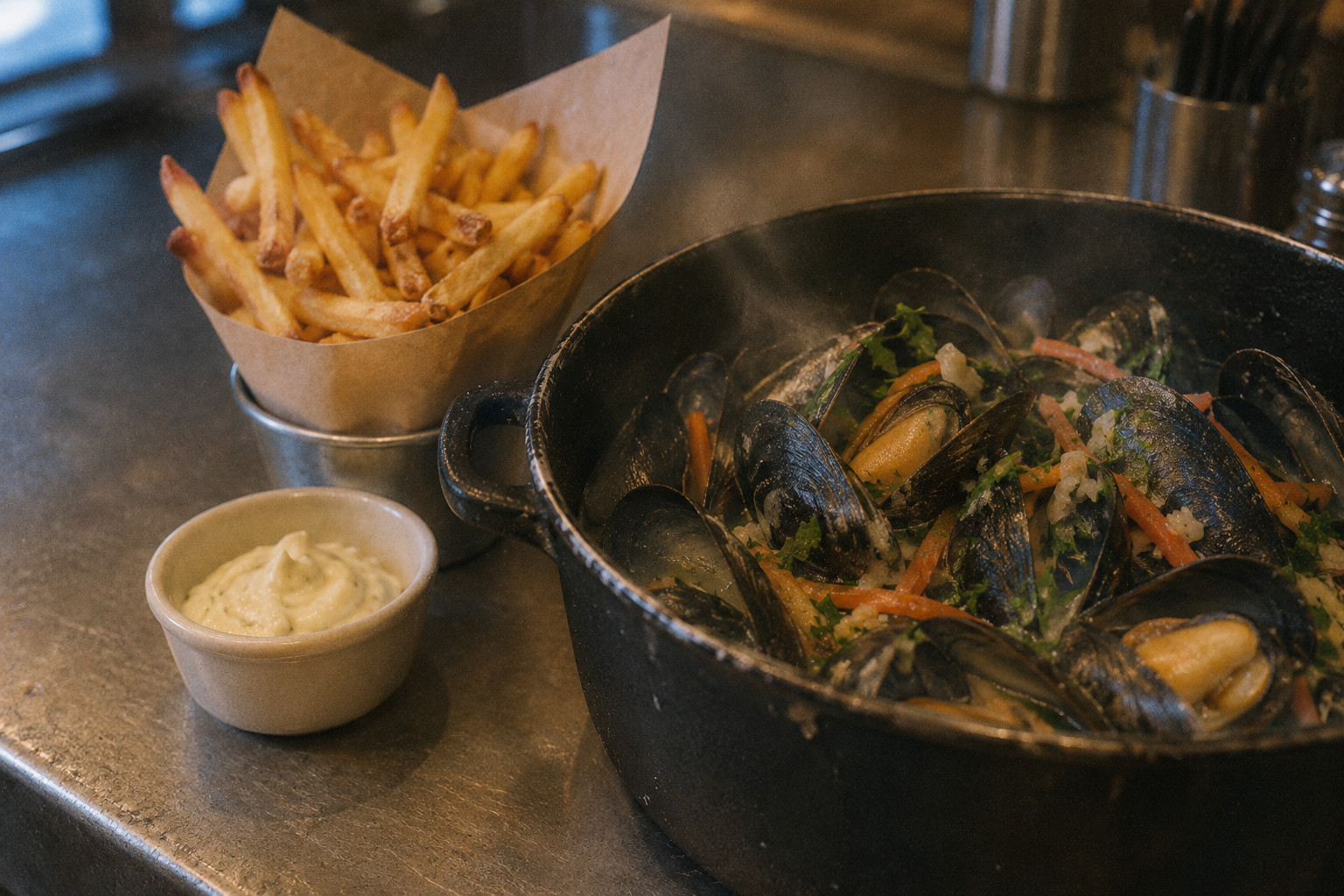
For shellfish, Puk on Vandkunsten traces its history back to 1750 and keeps a Danish and French menu. Its evening menu steams blue mussels from Vilsund, on the Limfjord, in white wine with herbs, garlic and carrots, served with fries and aïoli for 245 DKK. The same menu's cold table, at 395 DKK a head for at least two, includes roast pork from Danish pigs with red cabbage.
Out in Nørrebro, BÆST is a pizzeria with its own micro-dairy and a salumeria upstairs, and its charcuterie is made from Danish pork. The dinner menu tops a pizza with pork salsiccia, smoked mozzarella and kale pesto for 255 DKK, and serves a seasonal salad with Swiss chard and salt-baked beetroot for 110 DKK. An Italian oven, in other words, can be a good route to Danish winter produce.
Is lunch the cheapest way to eat the season?
Lunch is the cheapest route for the season's pork, because traditional kitchens serve it on rye bread for less than the dinner plate. At Det lille Apotek on Store Kannikestræde, a restaurant that dates itself to 1720, the lunch menu for 2 November to 30 December runs until a last order at 16:15.
Three plates there cover most of November's list. Kale is tossed with crème fraîche, apples, walnuts and fried capers for 149 DKK. Flæskesteg, Danish roast pork, comes on rye bread with homemade red cabbage for 139 DKK, against 235 DKK as a dinner plate. Æbleflæsk, fried pork with apples, is 169 DKK on rye. Kale and roast pork together make 288 DKK for two lunch plates. On 10 November the evening menu changes to roast duck with red cabbage and a warm apple tart, 525 DKK for three courses and the only menu served that night.
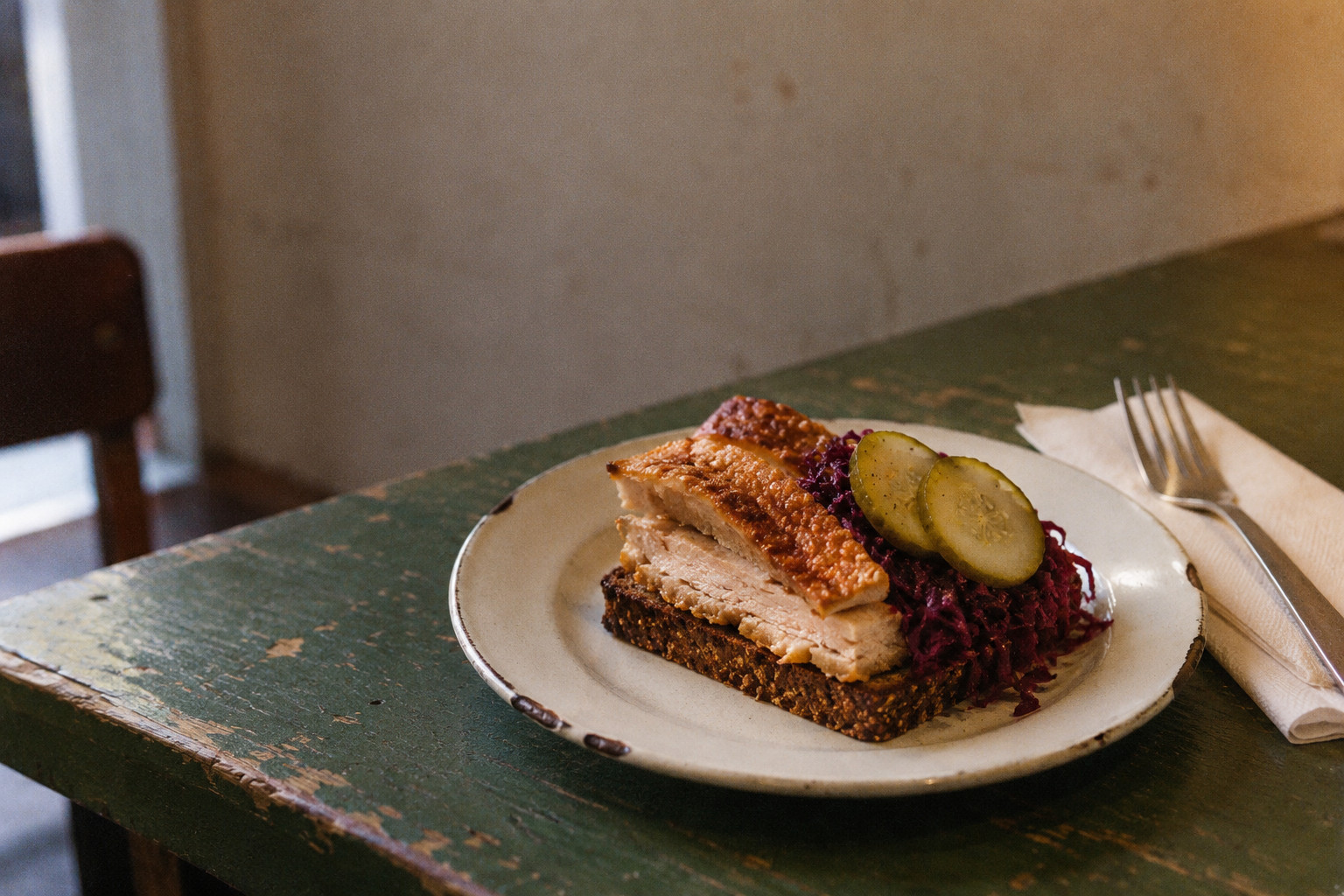
A set lunch suits a longer stop. VIE serves a three-course lunch chosen by the kitchen from the season's produce for 395 DKK, Tuesday to Friday, with Saturday lunch added from 21 November. Barr opens for lunch Friday to Sunday only. For the full frokost tables of herring, eggs and smørrebrød, the weekday lunch guide covers the classic rooms by time of day.
When is a tasting menu or a smørrebrød lunch the better call?
A tasting menu is the better call when the kitchen grows its own vegetables, because then the courses show you a farm you cannot reach any other way. On Østerbro, Restaurant Grim's head chef grew up on a farm in Vendsyssel, where his parents grow around 45 vegetables on two hectares. The menu costs 525 DKK for four courses or 895 DKK for seven, and this season's courses include Jerusalem artichokes with milk ice cream. It opens Wednesday to Saturday from 17:30.
A classic smørrebrød lunch is the better call when rye bread itself is what you came for. It is a different meal from this guide's, and the weekday lunch guide above names those rooms. For rooms where serious cooking comes without a set sequence at all, see the guide to relaxed restaurants that skip the fine-dining rules.
Where does "Danish" or "New Nordic" on a menu mean little?
A menu label means little when it names no place. "New Nordic" describes a style of cooking, not where tonight's cabbage grew, and the useful check is whether the menu names a fjord, a farm or a producer. Puk names Vilsund for its mussels. BÆST names Hindsholm for the pancetta and speck on its garlic bread and mushrooms. Grim names its family farm.
Read the origin line even in a room that cooks from the North Sea. In the middle of the Limfjord oyster season, the oysters on Barr's list are Joséphine oysters from Normandy, at 175 DKK for three. They may be very good. They are not this month's Danish oyster, and if that is what you want, ask.
A strong promise still needs a menu that day. La Banchina on Refshaleøen states that its kitchen cooks with 100% organic Danish produce and changes the menu daily. In the colder months it turns into a 16-seat wine bar with small bites, so check what is cooking before you cross the harbour.
Which Slurp bowl fits November's produce?
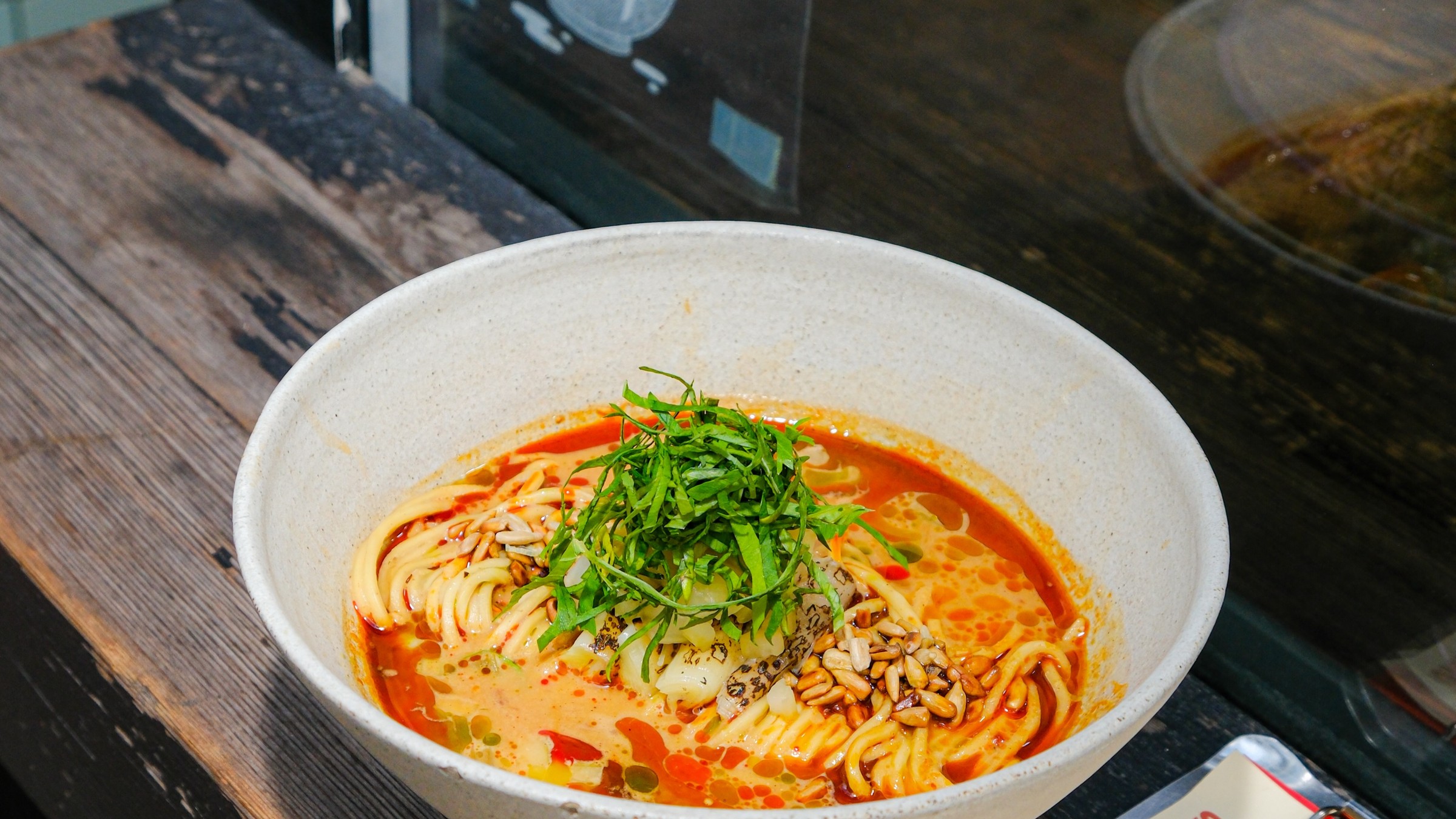
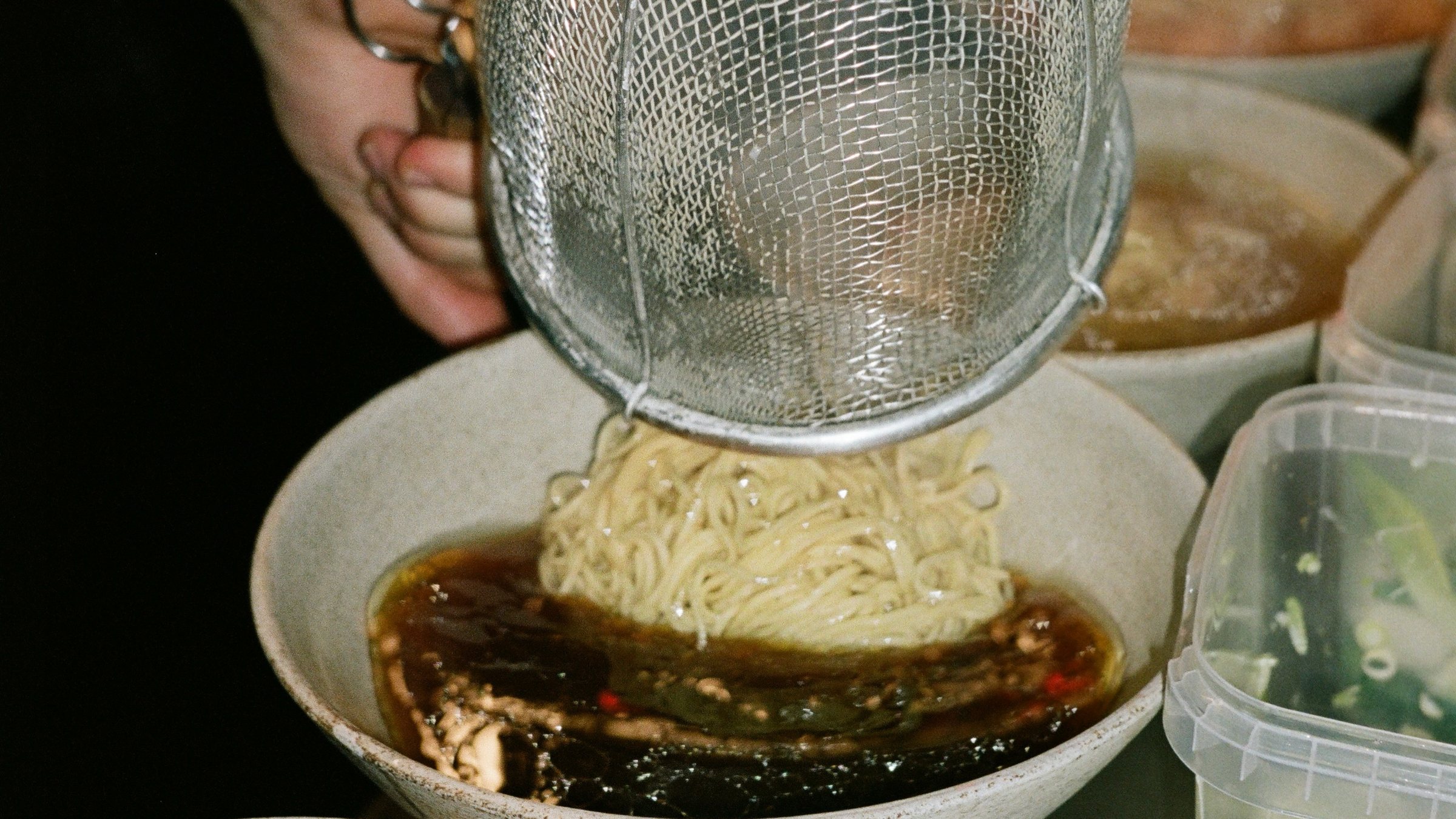
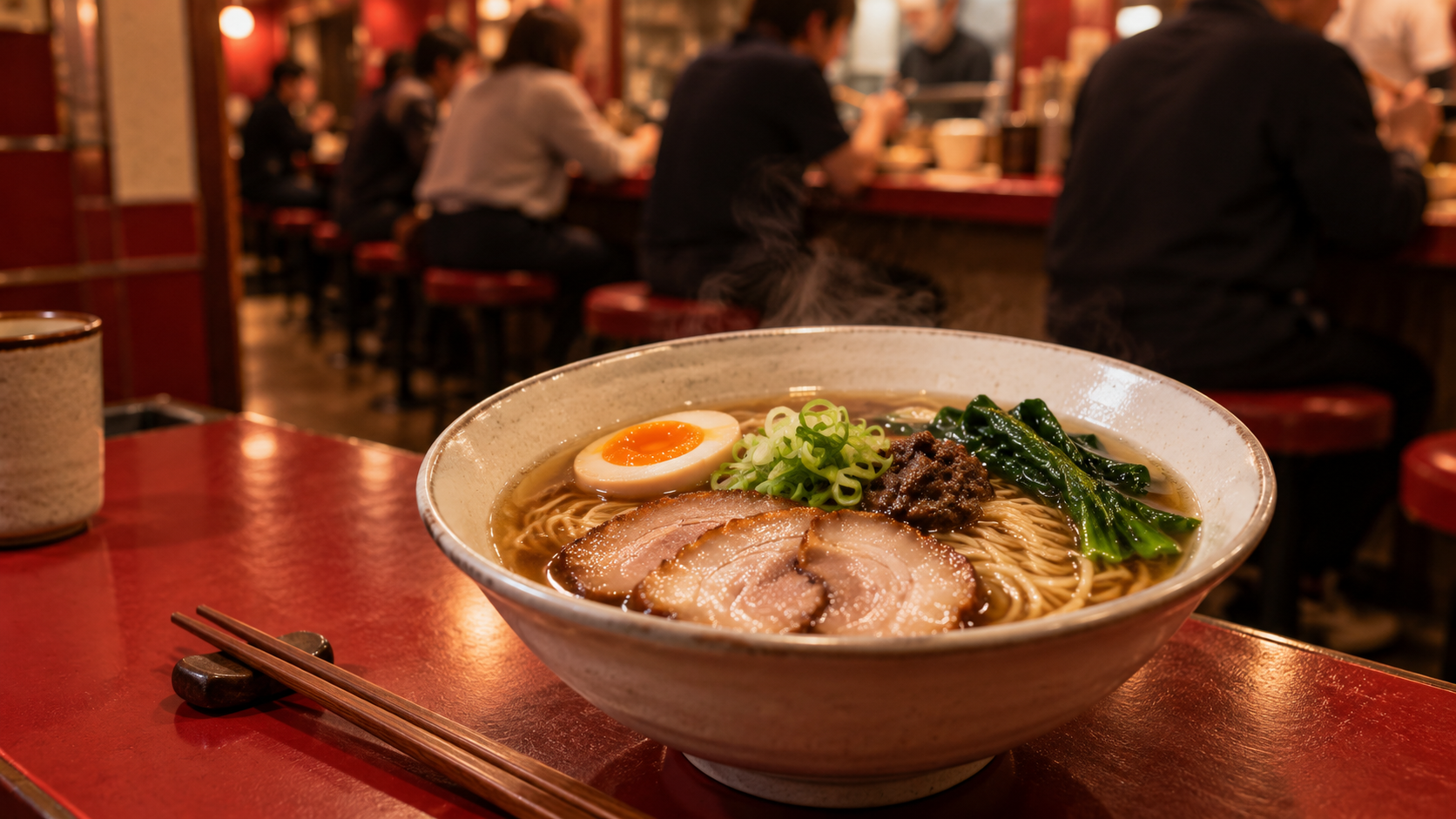
At Slurp, the bowl closest to November's list is our Veggie ramen: a mushroom and celeriac broth with kale, oyster mushroom, pickled fennel and red onion, 175 DKK, and vegan without the egg. Around it, Danish produce shows most in our organic free-range pork and in the drinks: beer from the local Åben brewery and sparkling water from Bornholm.
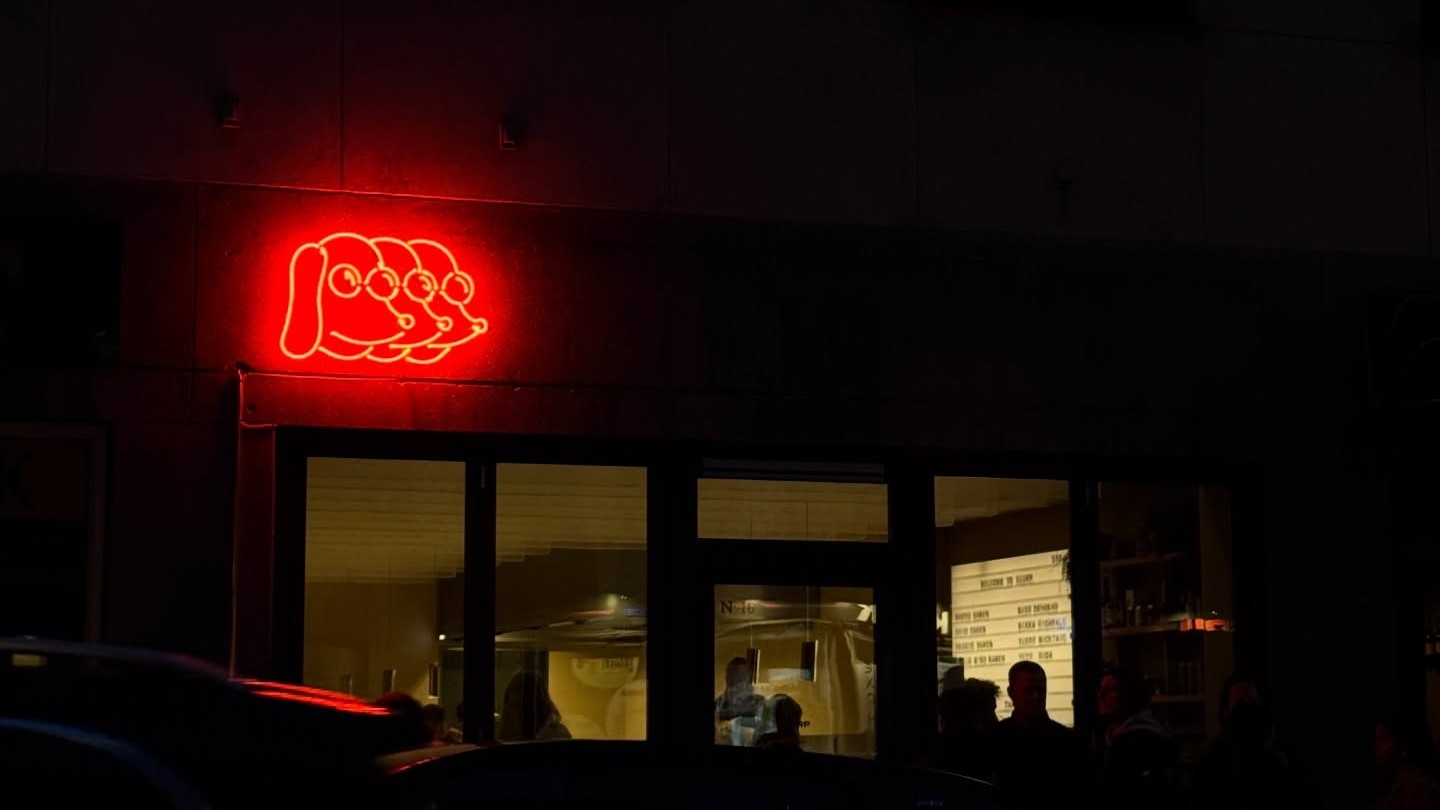
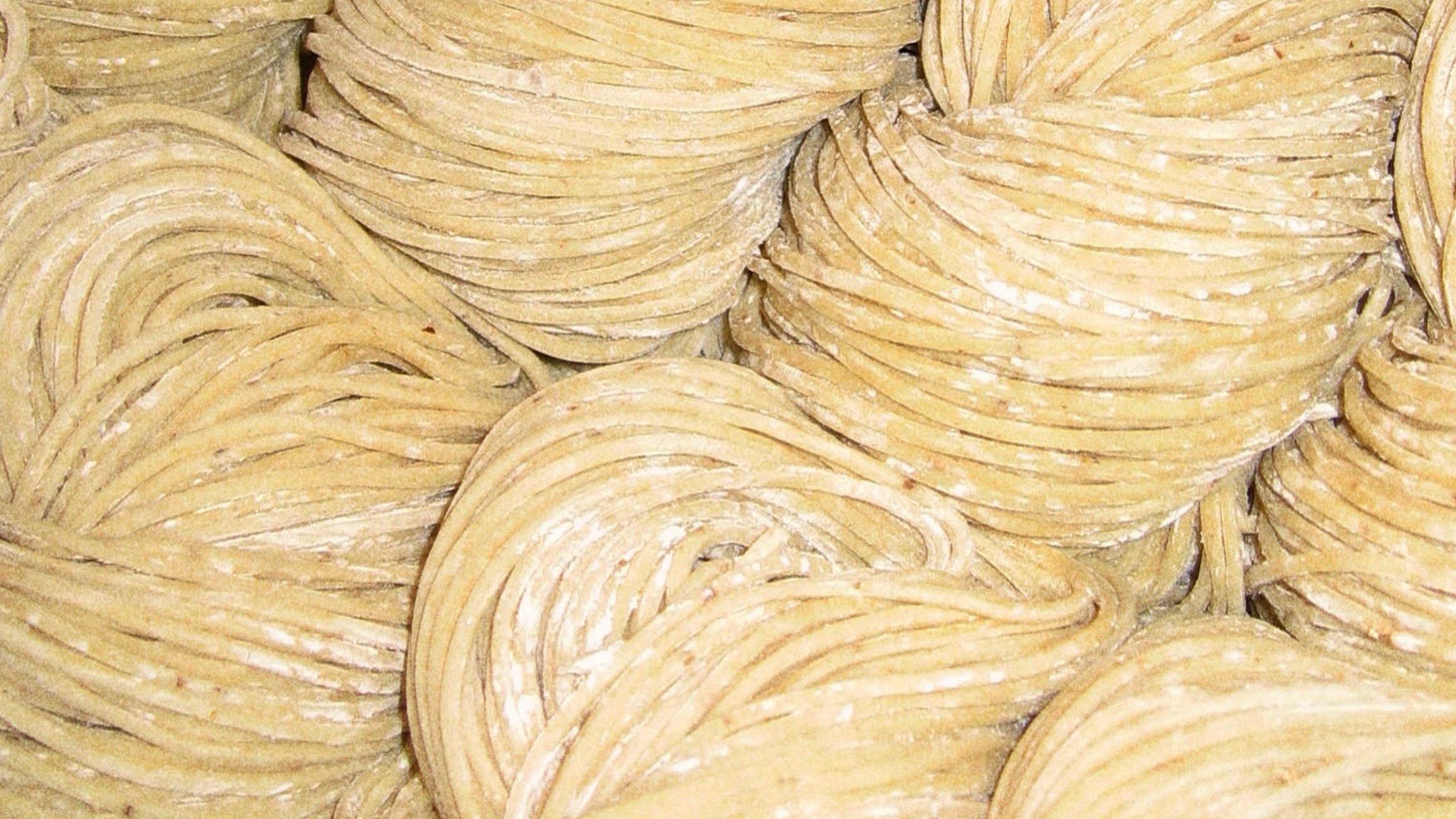
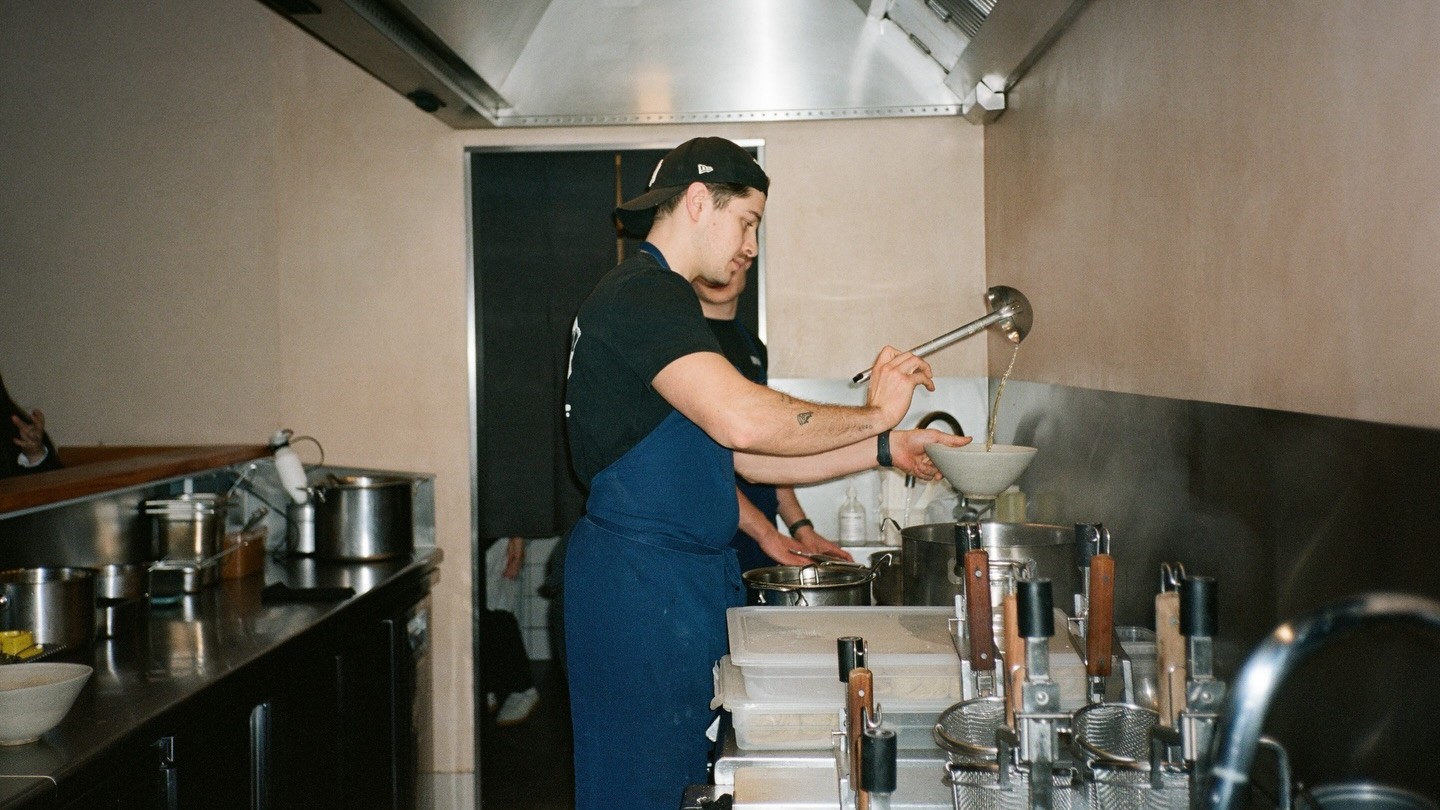
We opened Slurp on Nansensgade in 2017, and our toppings move with the seasons. The tare and broth are adjusted each day to the season and the humidity in the kitchen, and the broths simmer for hours to entire days. The soy sauce and miso come from Japan, because those are the few things we cannot find here.
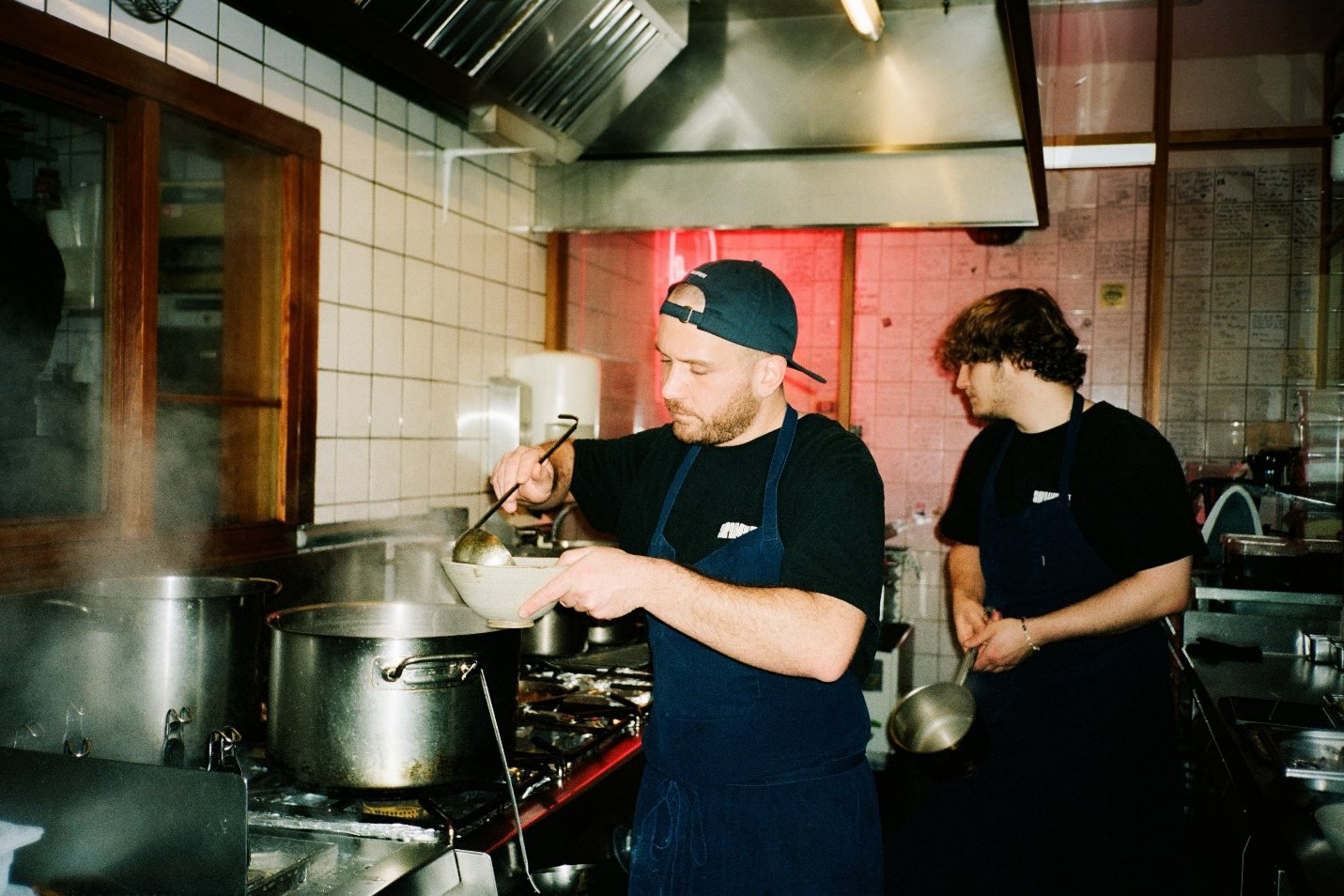
We buy organic, free-range Danish pork, and pork runs through the menu: pork-neck chashu on the Shoyu and Shio, 185 DKK each, minced pork in the Nduja Miso, 195 DKK, and pork in the gyoza at Slurp Borgergade, served at dinner. On a cold evening, the Nduja Miso is the richer bowl, with creamy chicken broth, spicy nduja butter, pak choi, bean sprouts and burnt onion oil.
The Åben x Slurp Rice Lager, 65 DKK, is fresh and floral, and the alcohol-free Åben Y is on the soft-drinks list beside the Bornholm spring water. Slurp Nansensgade serves dinner from 16:00 to 21:00 and Slurp Borgergade from 17:00 to 22:00. Both take walk-ins only, so arriving close to opening gives you the best chance of a seat.
Pick the ingredient first; the room follows
The question at the hotel desk never needed a choice between herring and ten courses. Choose the ingredient, then the meal. For lunch, take kale or roast pork on rye at Det lille Apotek before the 16:15 last order. For a weeknight dinner, order two vegetable plates at VIE or Barr and add one main if you are still hungry. For a cold, wet afternoon, mussels at Puk or a Veggie bowl at Slurp will warm you through. Choose a tasting menu only when the kitchen can tell you which farm the courses came from.
Sources
- Forbrugerrådet Tænk, seasonal list for Danish fruit and vegetables (2 December 2024).
- Destination Limfjorden, oyster season and shellfish festivals.
- The Evangelical Lutheran Church in Denmark, Martinmas Eve and its duck dinner.
- Restaurant VIE, address, story and hours; October dinner menu; lunch menu.
- Barr lunch and dinner menus and hours; About Barr.
- Restaurant Puk evening menu; Puk history and kitchen hours.
- BÆST hours, walk-ins and charcuterie; BÆST menu.
- Det lille Apotek hours and menus; lunch menu, 2 November to 30 December 2026; evening menu; Mortensaften 2026.
- Restaurant Grim, farm and hours; Grim menus and prices.
- La Banchina restaurant; La Banchina in summer and winter.
- Slurp sourcing, kitchen process and history; Slurp current menu and drinks; Slurp Nansensgade and Slurp Borgergade.
Frequently Asked Questions
Yes. On 10 November, Danes eat roast duck or goose for St Martin's Eve. Det lille Apotek serves only its 525 DKK duck menu that evening, with red cabbage and a warm apple tart, so book ahead.
Denmark's oyster season opens on 1 October and runs until April, with Limfjord oysters celebrated at both ends. Menus in Copenhagen also sell French oysters in the same months, so ask where they come from.
Det lille Apotek, Puk, Barr and VIE all take bookings, and Det lille Apotek's Mortensaften menu needs one. BÆST takes bookings but keeps space for walk-ins. Slurp takes no reservations at either room.
Kale with crème fraîche, apples and walnuts at Det lille Apotek costs 149 DKK. VIE serves boiled cabbage with green gooseberries for 95 DKK, Barr serves Brussels sprouts with pine hollandaise for 200 DKK, and Slurp's Veggie ramen with celeriac and kale is 175 DKK.